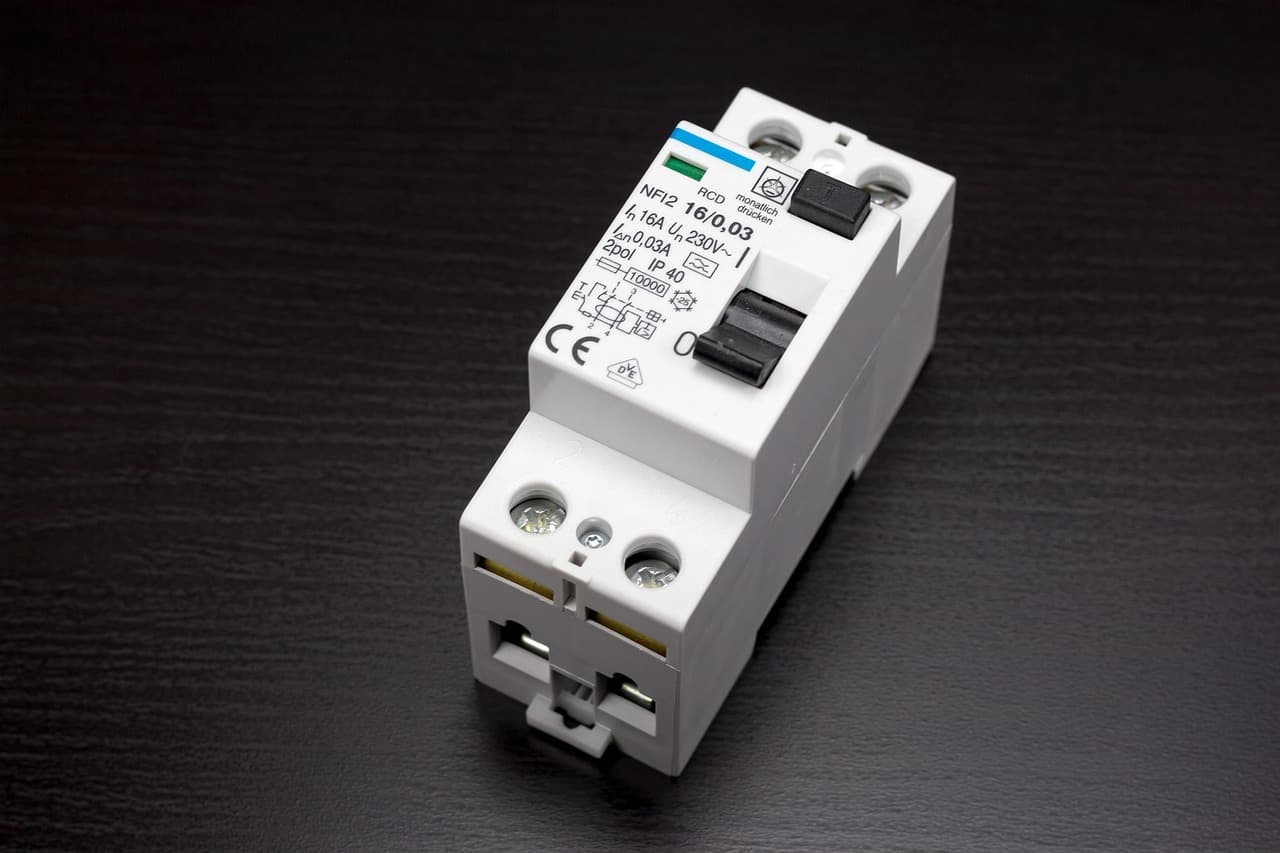
Understanding GFCI Protection: Critical Safeguards for Wet and Damp Locations
By Total Care Electrical Tue Jan 20 20267 minutes

Why GFCI Protection is Essential in Wet and Damp Locations
Ground Fault Circuit Interrupters (GFCIs) have become a cornerstone of modern electrical safety, especially in environments prone to moisture such as bathrooms, kitchens, outdoor spaces, and commercial kitchens. These devices are engineered to prevent electrical shock hazards by rapidly disconnecting power when a ground fault is detected. The presence of water dramatically increases the risk of electrocution, making GFCI protection not just a regulatory requirement but a lifesaving technology.“GFCIs are your first line of defense against the hidden dangers of electricity in moisture-prone environments.”
Common Wet and Damp Locations Requiring GFCI Protection
Both residential and commercial properties contain numerous areas where water and electricity intersect. Identifying these high-risk zones is the first step toward comprehensive protection.- Bathrooms and powder rooms
- Kitchen countertops and islands
- Laundry rooms and utility sinks
- Garages and unfinished basements
- Outdoor receptacles and pool areas
- Commercial kitchens and food prep stations
- Locker rooms and spa facilities
“If there's a chance water can reach an outlet, GFCI protection should be your default choice.”
How GFCIs Work: Technical Overview
A GFCI constantly monitors the electrical current flowing through a circuit. If it detects even a slight imbalance—indicating current is leaking to ground, possibly through a person—it interrupts the circuit in milliseconds. This rapid response is critical in preventing severe injuries or fatalities. Modern GFCIs come in various forms, including receptacle-type and circuit breaker-type, each suited for specific applications.“The sensitivity of a GFCI is measured in milliamps, but its impact is measured in lives saved.”
Residential vs. Commercial GFCI Requirements: Key Differences
While the underlying safety principles are universal, code requirements for GFCI protection differ between residential and commercial settings. Commercial spaces often have more stringent requirements due to higher occupancy and increased risk factors. Understanding these distinctions is crucial for compliance and safety.“Compliance isn't just about meeting codes—it's about safeguarding every occupant and worker.”
| Location | Residential Requirement | Commercial Requirement |
| Bathrooms | Required | Required |
| Kitchens | Countertops only | All sinks and food prep areas |
| Outdoor Outlets | All outdoor outlets | All outdoor outlets |
| Garages/Basements | Unfinished only | All, including maintenance areas |
Installation Best Practices and Common Pitfalls
Proper installation is vital to ensure GFCI devices function correctly. Incorrect wiring, daisy-chaining, or neglecting to test devices regularly can compromise protection. Qualified electricians recommend periodic testing and prompt replacement of faulty units to maintain safety.- Always use devices listed by recognized testing laboratories
- Label GFCI-protected outlets clearly for easy identification
- Test GFCIs monthly using the built-in test button
- Avoid overloading circuits connected to GFCI devices
- Consult updated electrical codes for new construction or renovations
“A well-installed GFCI is invisible until the moment you need it most—then, it becomes invaluable.”
Emerging Innovations in GFCI Technology
Recent advancements include self-testing GFCIs, integrated surge protection, and smart GFCIs that alert users to failures via mobile notifications. These innovations enhance both reliability and user awareness, bridging the gap between traditional safety measures and modern smart home or commercial systems.“Future-ready electrical safety combines robust hardware with intelligent monitoring—don't let your protection lag behind.”
Conclusion: Prioritizing Safety in Every Project
Whether upgrading a home bathroom or managing a commercial kitchen, GFCI protection should never be an afterthought. Assess your property for vulnerable locations, stay current with evolving codes, and leverage the latest technologies to ensure maximum safety. What challenges have you faced with GFCI installation or compliance? Share your experiences and insights below to help others navigate the complexities of electrical safety.“Electrical safety is a shared responsibility—let's build safer spaces together.”