Transient Voltage Surge Suppressors (TVSS): Shielding Sensitive Equipment from Power Disturbances
By Total Care Electrical Fri Apr 10 20267 minutes
Introduction to Transient Voltage Surge Suppressors (TVSS)
Modern homes and businesses rely heavily on sensitive electronics, from smart appliances to mission-critical servers. However, unpredictable power surges and transient voltages threaten to damage or destroy these valuable assets. Transient Voltage Surge Suppressors (TVSS) offer a vital line of defense, mitigating risks and ensuring the longevity of electrical infrastructure.What Causes Transient Voltage Surges?
Transient surges can originate from external sources such as lightning strikes or utility switching, as well as internal events like motor startups or faulty wiring. Even brief voltage spikes can degrade or instantly destroy electronics, making surge mitigation essential for both safety and cost savings.- Lightning-induced surges entering via utility lines
- Switching operations in nearby industrial or commercial facilities
- Operation of large motors and HVAC systems
- Electrical faults or short circuits within the premises
Types of TVSS Devices and Their Applications
Selecting the right TVSS device depends on the nature of the facility, the sensitivity of connected equipment, and the typical sources of surges. Residential and commercial applications demand tailored solutions to maximize protection and compliance.- Panel-mounted TVSS: Installed at main service panels to shield entire buildings
- Plug-in surge protectors: Used for individual appliances or workstations
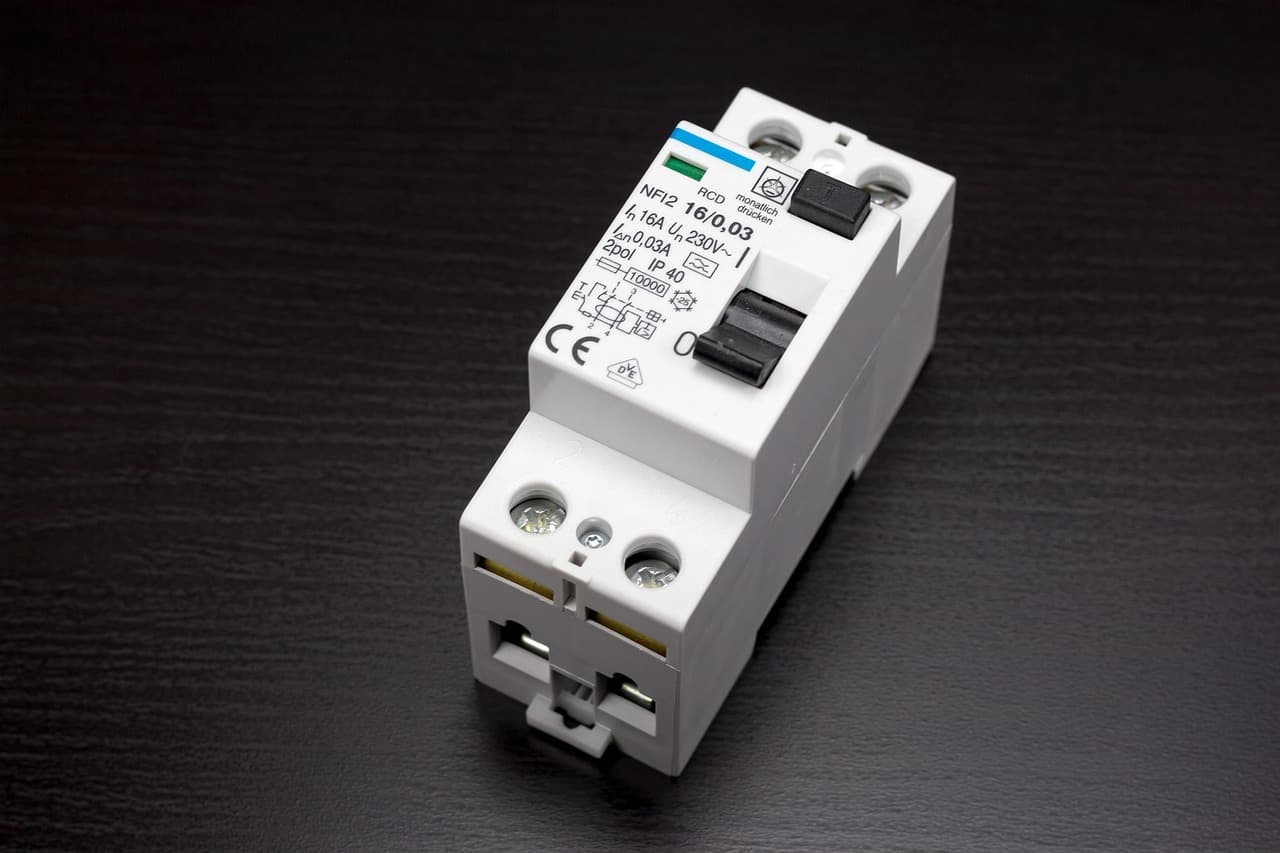
- DIN-rail TVSS: Designed for industrial control panels and automation systems
- Hardwired point-of-use suppressors: For critical equipment such as servers or medical devices
Comparing TVSS Technologies: MOV vs. SAD vs. GDT
Different TVSS technologies leverage distinct components to absorb and redirect surges. Understanding their characteristics enables property owners and facility managers to make informed decisions based on performance, reliability, and cost.| Technology | Response Time | Typical Use | Longevity |
| Metal Oxide Varistor (MOV) | <25 nanoseconds | General residential/commercial | Moderate |
| Silicon Avalanche Diode (SAD) | <1 nanosecond | Sensitive electronics | High |
| Gas Discharge Tube (GDT) | ~100 nanoseconds | Telecom, industrial | Very High |
Key Benefits of Installing TVSS in Homes and Businesses
The financial and operational impacts of surge damage can be severe, especially for businesses that depend on continuous uptime. Proactive investment in TVSS devices not only protects equipment but also enhances overall electrical system resilience.- Prevents costly downtime and data loss
- Extends the service life of appliances and electronics
- Reduces maintenance and replacement costs
- Enhances safety by minimizing fire risks from electrical faults
- Improves compliance with insurance and regulatory requirements
“A well-designed surge protection strategy is the cornerstone of electrical risk management in both residential and commercial environments.”
Installation Considerations: Expert Tips for Maximum Protection
Proper installation of TVSS devices is critical for optimal performance. Factors such as placement, grounding, and coordination with existing electrical infrastructure must be addressed to ensure seamless integration and reliable protection.- Install TVSS as close as possible to the point of entry for utility lines
- Ensure low-impedance grounding for rapid surge dissipation
- Regularly inspect and test TVSS units for degradation or failure
- Coordinate TVSS with other protective devices (such as circuit breakers and fuses)
Future Trends: Smart TVSS and IoT-Enabled Surge Protection
As smart grids and connected devices proliferate, next-generation TVSS solutions are emerging. These intelligent suppressors offer real-time monitoring, predictive maintenance alerts, and remote management, empowering property owners to stay ahead of evolving power quality challenges.“The future of surge protection lies in adaptive, data-driven systems that anticipate threats before they impact critical operations.”