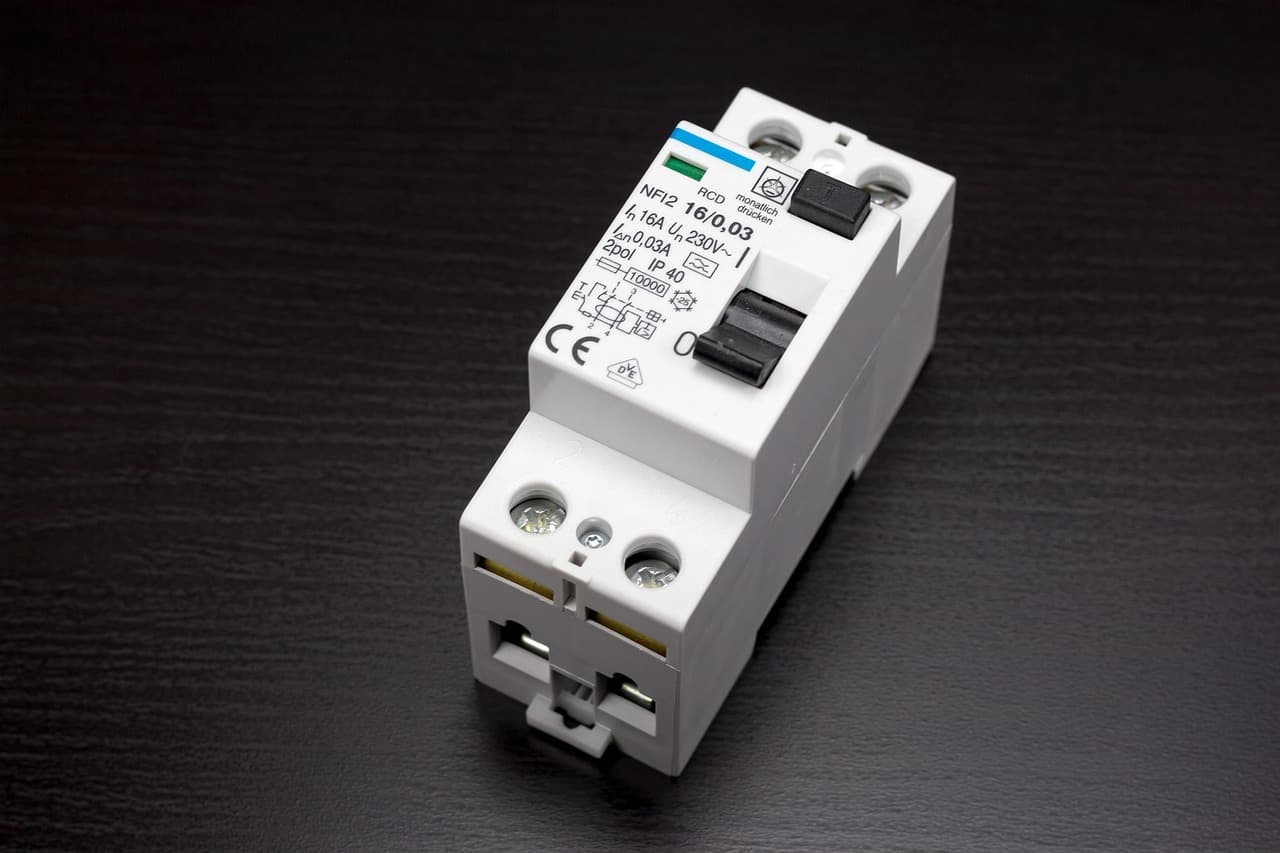
Transient Voltage Suppression: Protecting Sensitive Electronics in Modern Buildings
By Total Care Electrical Fri Jan 30 20267 minutes
Introduction to Transient Voltage Suppression (TVS)
Transient voltage events, such as surges and spikes, pose a significant risk to sensitive electronics in both residential and commercial settings. As the demand for high-performance technology increases, so does the vulnerability of systems to transient disturbances. Understanding how to mitigate these risks is essential for facility managers, homeowners, and business owners who rely on uninterrupted, reliable operation of their electronic assets.What Causes Transient Voltage Events?
Transient voltages can originate from external sources like lightning strikes or from internal events such as switching large inductive loads. These unpredictable, short-duration surges can degrade or destroy microprocessors, communication systems, and other critical electronics, leading to costly downtime and equipment replacement.- Lightning-induced surges entering through power or data lines
- Switching operations involving motors, HVAC systems, or industrial equipment
- Faulty wiring or improper grounding practices
- Electrostatic discharge (ESD) events in sensitive environments
Types of Transient Voltage Suppression Devices
To effectively protect electronic systems, several specialized devices are available. Selecting the right transient voltage suppression (TVS) technology depends on application, sensitivity, and installation environment.- Metal Oxide Varistors (MOVs): Common in surge protectors and panel-mounted devices.
- Transient Voltage Suppression Diodes: Ideal for circuit-level protection of low-voltage electronics.
- Gas Discharge Tubes (GDTs): Suited for high-energy, infrequent surges, often used in telecom systems.
- Silicon Avalanche Diodes (SADs): Provide fast response times for precision electronics.
- Hybrid Devices: Combine multiple technologies for layered protection.
“Every surge event, no matter how minor, chips away at the reliability of your electronics—proactive suppression is the only sustainable defense.”
Key Benefits of Implementing TVS Solutions
Investing in robust transient voltage suppression is not just about preventing catastrophic failures. It also extends the lifespan of electronic assets, reduces maintenance costs, and ensures compliance with insurance and regulatory standards.- Minimized risk of data loss and hardware damage
- Increased system uptime and business continuity
- Enhanced protection for mission-critical infrastructure
- Improved safety for occupants and operators
Comparing TVS Technologies: Performance and Application Matrix
Selecting the optimal TVS device requires an understanding of their comparative strengths and best-use scenarios. The following matrix outlines the performance characteristics of common TVS technologies.| TVS Device | Response Time | Energy Handling | Best Use Case |
| MOV | Moderate | High | Main panels, surge strips |
| TVS Diode | Fast | Low | PCBs, sensitive circuits |
| GDT | Slow | Very High | Telecom, high-energy surges |
| SAD | Very Fast | Moderate | Precision instrumentation |
| Hybrid | Varies | Varies | Custom/professional installations |
Installation Best Practices for Residential and Commercial Spaces
Proper installation is critical to the effectiveness of any transient voltage suppression strategy. Engage qualified electricians to assess the unique needs of your property and ensure devices are integrated at key points of vulnerability, such as main distribution panels, subpanels, and sensitive branch circuits.- Conduct a comprehensive surge risk assessment
- Install TVS devices at both service entrances and point-of-use locations
- Verify correct grounding and bonding to maximize protection
- Schedule regular inspections and device replacements as per manufacturer guidelines
Future Trends in Transient Voltage Protection
With the proliferation of IoT devices and high-efficiency electronics, the demand for smarter, more adaptive TVS solutions is on the rise. Innovations such as self-monitoring surge protectors, cloud-based event logging, and integration with building automation systems are shaping the next generation of electrical safety.“As our environments become more interconnected, the sophistication of our protection strategies must evolve in tandem.”