The Critical Role of Electrical Isolation Transformers in Modern Facilities
By Total Care Electrical Fri Apr 03 20267 minutes
Introduction to Electrical Isolation Transformers
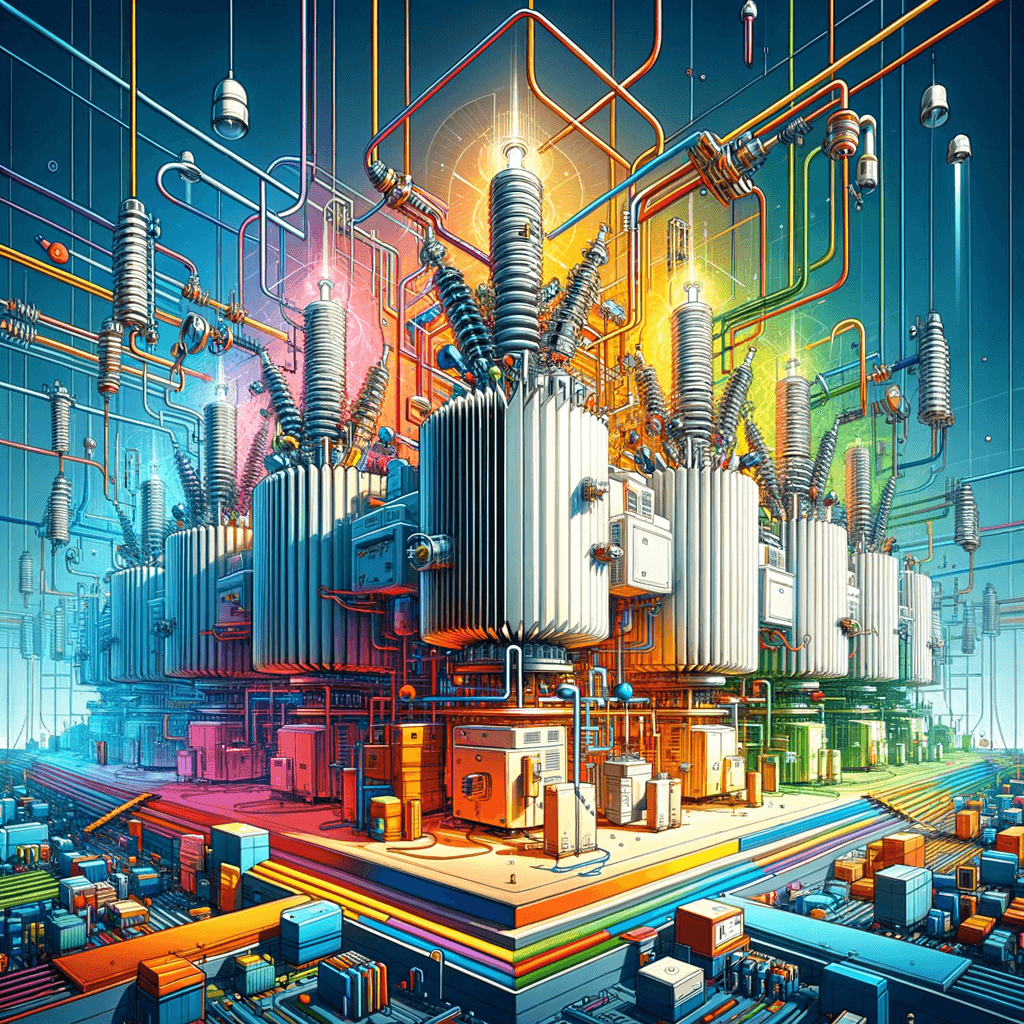
Electrical isolation transformers are often overlooked yet vital components in both residential and commercial electrical systems. They serve a crucial function by decoupling the primary and secondary windings, effectively isolating sensitive equipment from direct contact with the main power source. This isolation not only mitigates electrical noise and surges but also enhances safety for occupants and equipment alike.Why Isolation Matters: Addressing Common Electrical Challenges
Many property owners and facility managers face persistent issues such as ground loops, voltage spikes, and electromagnetic interference. These problems can lead to equipment malfunction, data loss, or even hazardous conditions. Isolation transformers provide a robust solution by creating a barrier that prevents the transfer of unwanted electrical disturbances.- Eliminates ground loops that cause hum and noise in audio/video systems
- Protects sensitive electronics from voltage surges and transients
- Reduces electromagnetic and radio-frequency interference (EMI/RFI)
- Improves safety by preventing accidental contact with high-voltage sources
“Isolation transformers are an indispensable safeguard for mission-critical systems where both safety and reliability are non-negotiable.”
Residential vs. Commercial Applications: Key Differences
The requirements for electrical isolation differ significantly between residential and commercial environments. While homeowners may seek protection for home offices, entertainment systems, or smart devices, commercial facilities often rely on isolation transformers for industrial machinery, laboratory equipment, or network infrastructure. Understanding these distinctions helps ensure the right solution is selected for each context.| Aspect | Residential Use | Commercial Use |
| Typical Loads | Home electronics, computers, AV systems | Medical equipment, servers, industrial machinery |
| Primary Concern | Noise reduction, surge protection | Equipment safety, power quality, compliance |
| Installation Scale | Single device or room | Whole facility or multiple circuits |
Selecting the Right Isolation Transformer: Expert Considerations
Choosing an appropriate isolation transformer requires careful evaluation of load characteristics, voltage requirements, and environmental factors. Oversizing can lead to unnecessary expense, while undersizing may compromise protection and performance. Consulting with a certified electrician or electrical engineer ensures optimal selection and integration.- Assess load type and sensitivity (analog vs. digital equipment)
- Determine voltage and current ratings needed
- Evaluate installation environment (temperature, humidity, ventilation)
- Consider compliance with local codes and standards
“Proper transformer selection is the foundation of a resilient and future-ready electrical system.”