Tackling Electrical Code Compliance: Navigating Upgrades and Inspections for Safe, Modern Spaces
By Total Care Electrical Tue Nov 18 20257 minutes
Why Electrical Code Compliance Matters More Than Ever
With evolving technology and increasing energy demands, adhering to electrical code requirements is critical for both homeowners and business operators. Code compliance ensures not only legal operation but also the safety and efficiency of your electrical infrastructure. Many properties, especially older ones, risk falling behind on standards, exposing occupants to hazards and financial liabilities.“Electrical codes are living documents—failing to keep up can leave even the best systems dangerously outdated.”
Common Code Violations in Residential and Commercial Properties
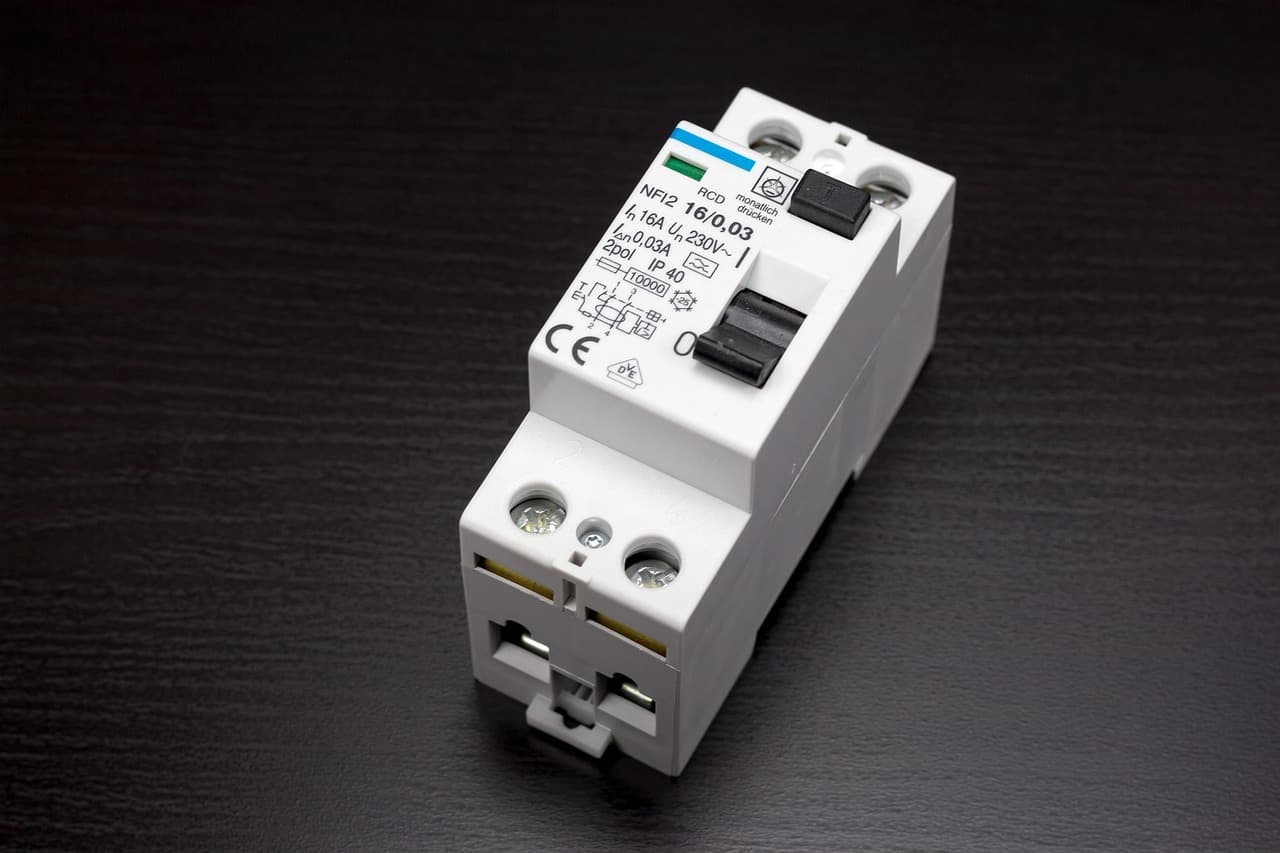
Unaddressed code violations are among the top causes of electrical fires, system failures, and insurance complications. Recognizing frequent issues can help you proactively address risks before they escalate.- Improperly sized or outdated circuit breakers
- Non-compliant wiring materials or methods
- Lack of ground fault and arc fault protection in critical areas
- Overcrowded or unlabeled electrical panels
- Unpermitted DIY electrical modifications
- Insufficient clearance around panels and disconnects
“A single overlooked code violation can compromise the safety of an entire building.”
Prioritizing Upgrades: Where Should You Start?
Deciding which upgrades to tackle first can be overwhelming. Prioritization should be based on both safety urgency and compliance requirements. Addressing foundational issues, such as panel capacity and wiring integrity, often yields the greatest return in safety and reliability.- Upgrade undersized or obsolete electrical panels to accommodate modern loads.
- Replace knob-and-tube or aluminum wiring with code-approved copper conductors.
- Install GFCI and AFCI protection in kitchens, bathrooms, and sleeping areas.
- Correct over-fused circuits and ensure all breakers match wire ratings.
- Label all panel circuits clearly for emergency and maintenance use.
“The best upgrades are those that blend code compliance with future readiness.”
Inspection Essentials: What Do Inspectors Look For?
Electrical inspections can seem daunting, but understanding the process demystifies it. Inspectors follow a rigorous checklist to verify both safety and code adherence, flagging issues that could result in failed approvals or increased liability.“A thorough inspection today prevents costly emergencies tomorrow.”
| Inspection Focus | Common Issues |
| Panel Condition | Rust, missing covers, overcrowding |
| Wiring Methods | Improper splices, unsupported runs |
| Grounding/Bonding | Missing or loose connections |
| Outlet/Switch Placement | Non-compliance with spacing or GFCI requirements |
| Labeling | Unmarked circuits, unclear panel directories |
Code Compliance as a Pathway to Energy Efficiency and Innovation
Staying current with code upgrades isn't just about passing inspections—it's an opportunity to modernize your property. Many recent code changes support energy-saving technologies and smart controls, setting the stage for seamless integration of renewables, automation, and high-efficiency systems.- Smart panels that monitor and optimize load distribution
- Pre-wiring for electric vehicle charging stations
- LED and adaptive lighting systems with advanced controls
- Integration-ready circuits for solar or battery storage
“Code compliance is the foundation upon which all future electrical innovations are built.”
Your Next Steps: Navigating the Upgrade and Inspection Process
Whether you're planning a renovation or simply want peace of mind, engaging a licensed electrician for a code compliance audit is the best first move. Proactive upgrades and regular inspections protect your investment, improve safety, and open doors to modern amenities.“Investing in code compliance today is an investment in the safety, efficiency, and future value of your property.”