Smart Home Electrical Automation: Transforming Residential and Commercial Spaces
By Total Care Electrical Wed Jan 14 20267 minutes

Introduction to Smart Home Electrical Automation
The integration of smart electrical automation is reshaping how both homeowners and businesses manage energy, enhance safety, and improve convenience. As demand for intelligent environments grows, understanding the intricacies of electrical automation becomes essential for those seeking future-ready solutions.Key Benefits of Electrical Automation in Modern Spaces
- Enhanced energy efficiency through adaptive lighting and appliance scheduling
- Remote monitoring and control for immediate troubleshooting and convenience
- Automated safety features like overload detection and real-time alerts
- Improved occupant comfort with personalized environmental controls
- Scalable solutions adaptable to both small residences and expansive commercial facilities
“Automation is not just about convenience—it's about creating safer, more efficient spaces that adapt to our needs, says an experienced electrical engineer.”
Common Automation Solutions for Homes and Businesses
Smart automation systems range from simple programmable thermostats to fully integrated building management platforms. The right choice depends on the specific needs, infrastructure, and aspirations of the user.- Smart lighting systems with occupancy sensors and daylight harvesting
- Automated HVAC controls for optimized climate management
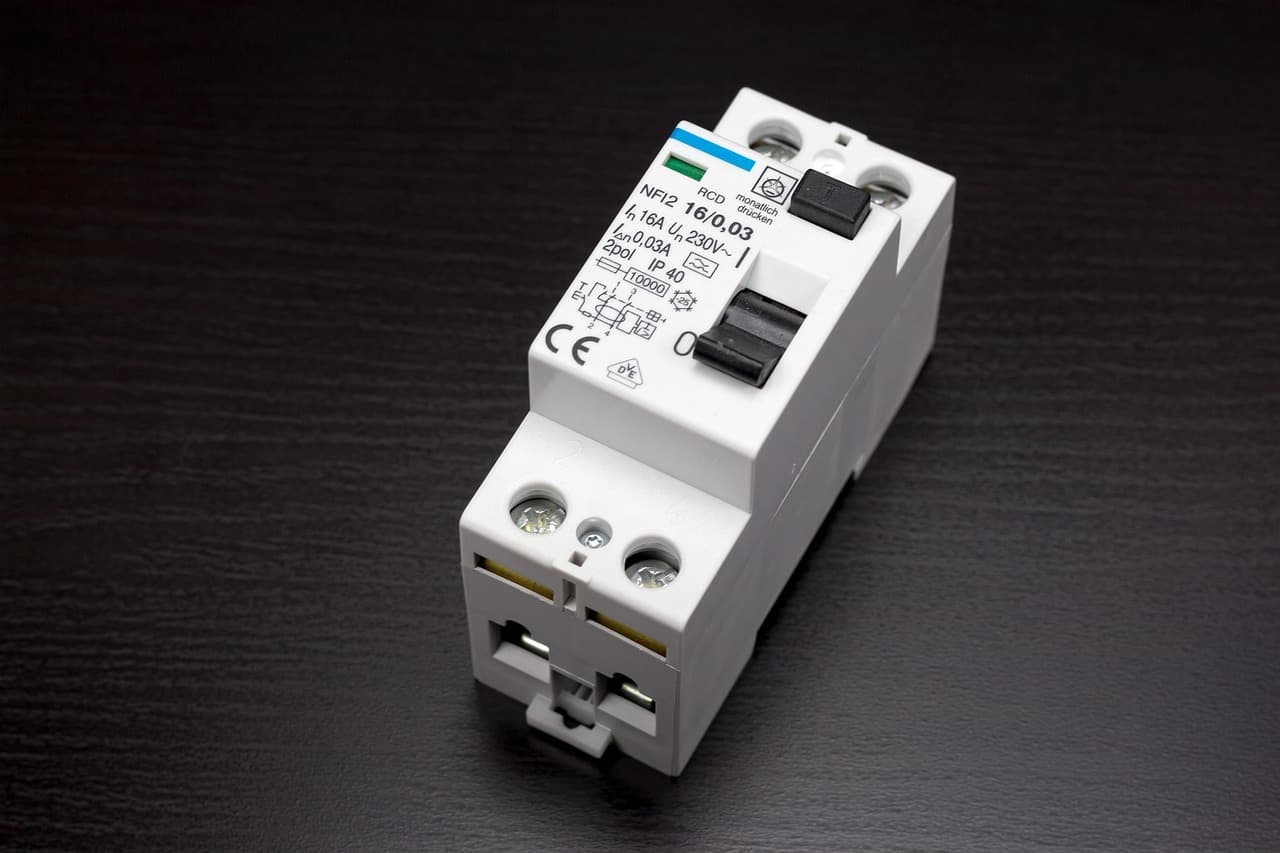
- Intelligent circuit breakers with remote reset capabilities
- Voice-activated controls and mobile app integrations
- IoT-enabled security and surveillance systems
Safety Considerations When Implementing Electrical Automation
While automation introduces convenience, it also demands rigorous attention to electrical safety and compliance. Poorly installed systems can lead to vulnerabilities or even hazardous conditions.“Always consult a licensed professional when upgrading to automated electrical systems—cutting corners on safety is never worth the risk.”
Comparing Leading Smart Automation Protocols
Selecting the right communication protocol is critical for seamless integration and future-proofing your investment. Here is a comparison of popular automation standards:| Protocol | Key Features | Best Use Case |
| Zigbee | Low power, mesh networking | Residential lighting and sensors |
| Z-Wave | High interoperability, secure | Home automation, security |
| KNX | Scalable, robust for large sites | Commercial building management |
| Wi-Fi | High bandwidth, easy integration | Cameras, streaming devices |
Cost Planning and Return on Investment
Initial costs of automation can be offset by long-term savings in energy and maintenance. Assessing the total cost of ownership helps prioritize upgrades that deliver the most value.Future Innovations in Electrical Automation
Emerging trends such as AI-driven energy management, predictive maintenance, and seamless integration with renewable energy sources are pushing the boundaries of what electrical automation can achieve.“The future of electrical automation lies in systems that learn, adapt, and anticipate the needs of both occupants and the grid.”