Retrofit Lighting Upgrades: Enhancing Efficiency and Ambience in Existing Buildings
By Total Care Electrical Thu Jan 29 20267 minutes
Why Retrofit Lighting Upgrades Matter for Existing Buildings
Outdated lighting systems can lead to excessive energy consumption, poor illumination, and increased maintenance costs in both homes and businesses. Retrofit lighting upgrades offer a strategic solution by replacing inefficient fixtures with modern, energy-efficient alternatives, resulting in significant operational savings and enhanced visual comfort.Key Benefits of Retrofit Lighting Upgrades
- Substantial reduction in electricity bills due to advanced energy-saving technologies
- Improved lighting quality, color rendering, and visual comfort for occupants
- Decreased maintenance costs with longer-lasting LED and smart lighting solutions
- Environmental benefits from reduced carbon footprint and lower energy consumption
- Enhanced property value and appeal for tenants, customers, or buyers
Popular Retrofit Lighting Technologies
Selecting the right technology is critical to achieving optimal results in retrofit projects. From high-efficiency LEDs to intelligent lighting controls, today's options address diverse requirements across residential and commercial settings.| Technology | Description | Typical Applications |
| LED Retrofits | Direct replacement of incandescent, halogen, or fluorescent bulbs with LEDs | Offices, homes, retail spaces |
| Smart Lighting Controls | Automated systems that adjust brightness, color, and scheduling | Conference rooms, lobbies, living rooms |
| Occupancy Sensors | Lights activate only when motion is detected | Restrooms, hallways, storage areas |
| Daylight Harvesting | Sensors adjust artificial lighting based on natural light levels | Open-plan offices, atriums |
Expert Insight: Safety and Compliance Considerations
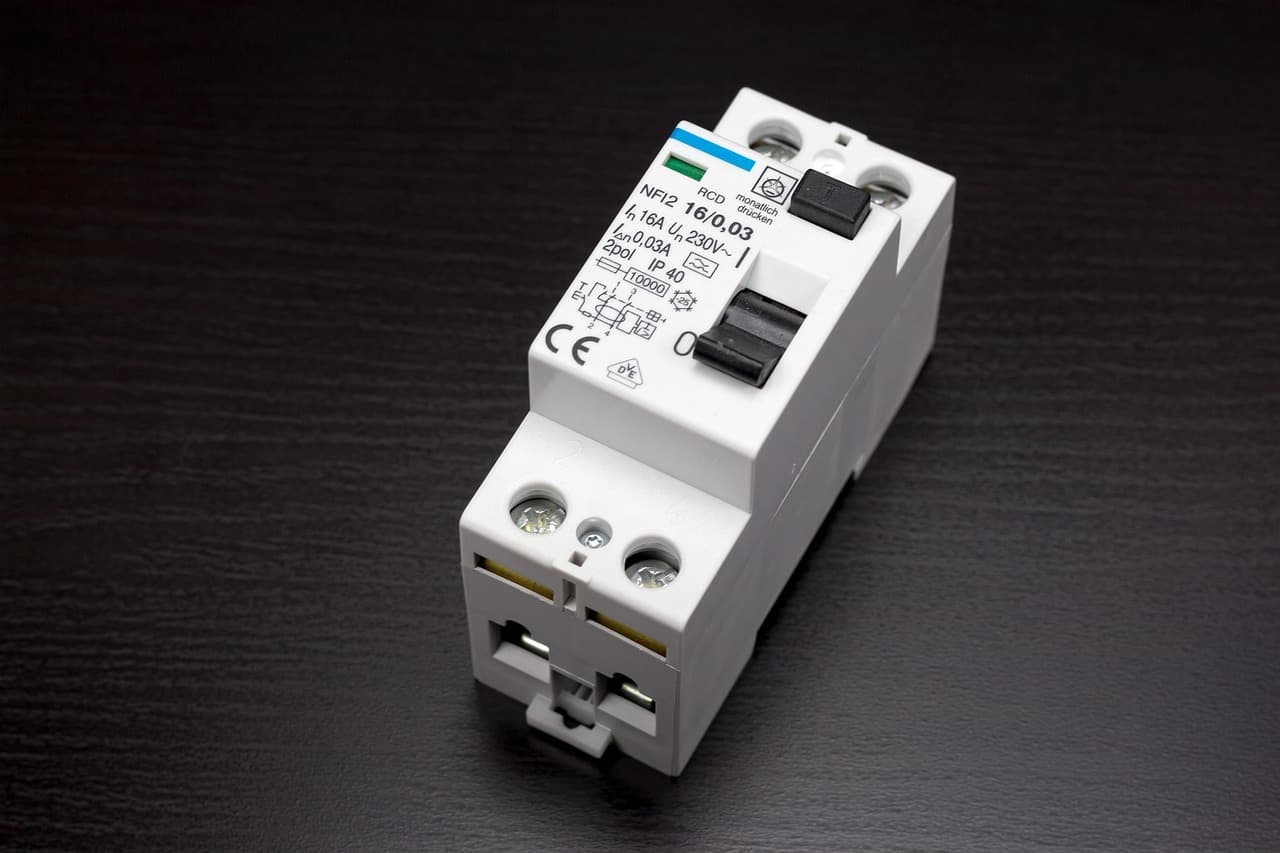
Electrical retrofits must comply with local codes and standards to ensure both safety and performance. Professional electricians assess circuit capacities, fixture compatibility, and grounding requirements before implementing upgrades, reducing the risk of electrical hazards or voided warranties.“A well-executed retrofit not only saves energy but also fortifies the electrical infrastructure against future risks.”
Steps for a Successful Lighting Retrofit Project
A systematic approach ensures that retrofit upgrades deliver maximum value and minimal disruption. Careful planning, skilled installation, and post-upgrade evaluation are essential for success.- Conduct a thorough lighting audit to identify outdated fixtures and inefficiencies
- Engage a licensed electrician to evaluate electrical load capacity and system compatibility
- Select appropriate retrofit solutions tailored to the space's function and aesthetic
- Schedule installation to minimize downtime for occupants or business operations
- Monitor energy usage and occupant feedback post-installation to measure impact
Cost Planning and Return on Investment
While upfront costs can be a concern, retrofit lighting upgrades typically offer attractive payback periods through utility savings and reduced maintenance. Many regions offer rebates or incentives for energy-efficient lighting improvements, further enhancing ROI.| Upgrade Type | Average Payback Period (Months) |
| Basic LED Bulb Replacement | 6-12 |
| Comprehensive Fixture Retrofit | 18-36 |
| Smart Controls Integration | 24-48 |
Future Innovations in Lighting Retrofits
Emerging technologies such as tunable white lighting, IoT-enabled controls, and integrated daylighting promise even greater efficiency and customization. These advancements are poised to redefine how we experience and manage lighting in both homes and businesses.“The next wave of lighting retrofits will blend intelligence, adaptability, and sustainability—reshaping our expectations for illuminated environments.”