Retrofit Electrical Solutions: Upgrading Historic Buildings for Modern Safety and Efficiency
By Total Care Electrical Thu Feb 26 20267 minutes

The Unique Challenge of Retrofitting Historic Buildings
Historic buildings present a distinct challenge for electrical upgrades. Their original wiring and infrastructure often fall short of today’s safety codes and efficiency standards, yet preserving architectural integrity is paramount. Building owners, facility managers, and preservationists must find solutions that enhance safety and functionality without compromising the heritage value.“Retrofitting historic structures demands a balance between technological advancement and architectural preservation.”
Key Considerations Before Starting an Electrical Retrofit
Upgrading the electrical system of a heritage property requires careful planning. Assessing the existing infrastructure, understanding regulatory requirements, and anticipating the building’s future needs are essential first steps. A thorough evaluation can help avoid unexpected costs, compliance issues, and disruptions to the building’s character.- Conduct a comprehensive electrical audit to identify outdated wiring, panels, and hazardous components.
- Consult local heritage and building authorities to understand compliance requirements.
- Engage experienced electrical contractors familiar with historic preservation.
- Plan for scalable solutions to accommodate future technology integration.
Modern Technologies Compatible with Heritage Structures
Integrating advanced electrical technologies into older buildings can significantly enhance safety and efficiency. Fortunately, innovations in retrofit solutions allow for minimal intrusion, preserving historic finishes and features while delivering modern performance.- Non-invasive wiring systems, such as surface-mounted raceways and wireless controls.
- LED lighting retrofits that replicate period-appropriate aesthetics.
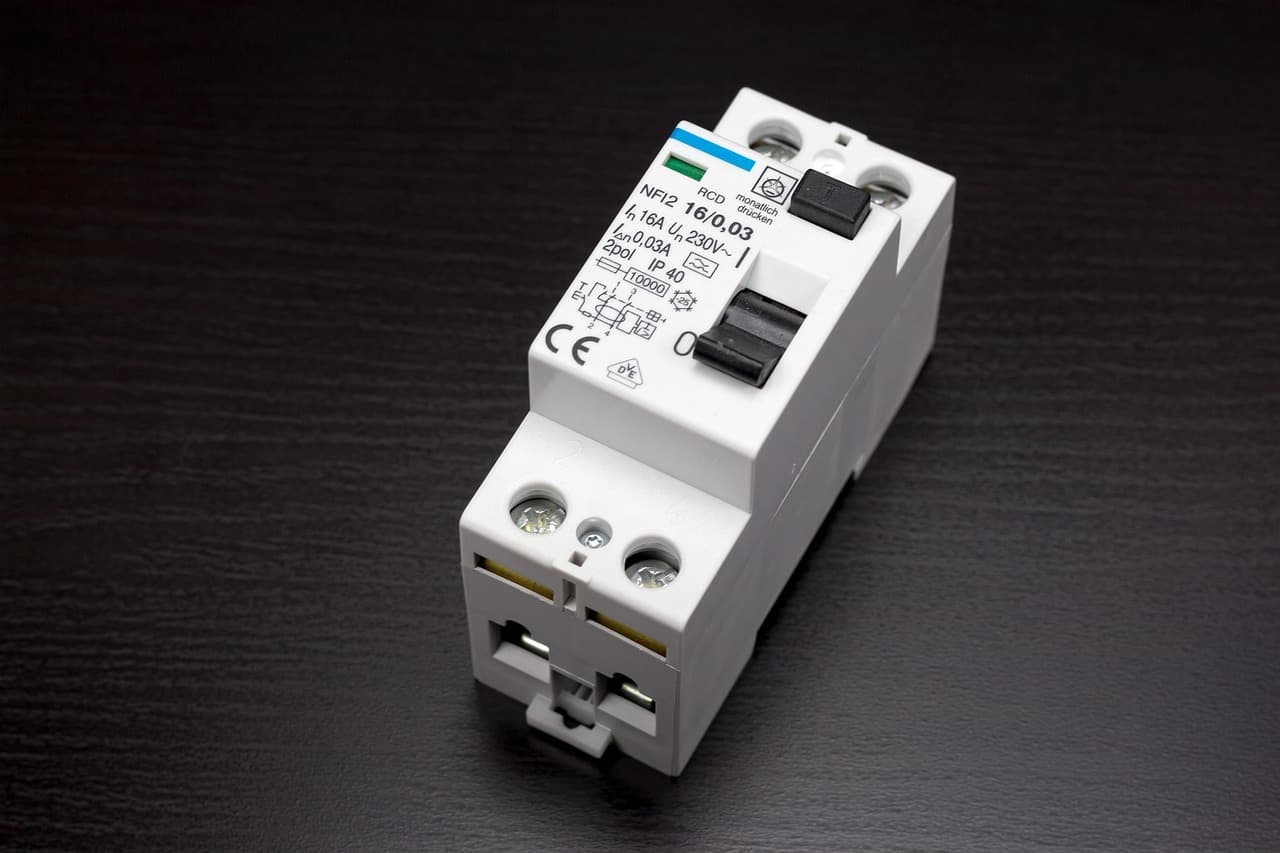
- Low-profile circuit protection devices to fit within existing enclosures.
- Smart sensors for energy management and remote monitoring.
Common Pitfalls and How to Avoid Them
Retrofitting electrical systems in historic environments is fraught with potential missteps. Overlooking hidden hazards, underestimating project scope, or neglecting documentation can lead to costly setbacks or even endanger the building’s occupants and legacy.| Pitfall | Prevention |
| Disturbing Asbestos or Lead | Conduct environmental testing and use certified abatement professionals. |
| Incompatible Modern Devices | Select retrofit components designed for heritage applications. |
| Insufficient Load Calculations | Engage engineers to accurately assess future electrical demand. |
| Lack of Project Documentation | Maintain detailed records for compliance and future maintenance. |
Expert Strategies for Seamless Electrical Upgrades
Professionals recommend a phased approach to retrofitting, starting with critical safety upgrades before expanding to energy efficiency and automation. Open communication between electricians, preservationists, and owners ensures that every intervention respects the building’s unique story.“The best retrofit projects are those where you can’t tell anything was changed—except for the newfound safety and reliability.”