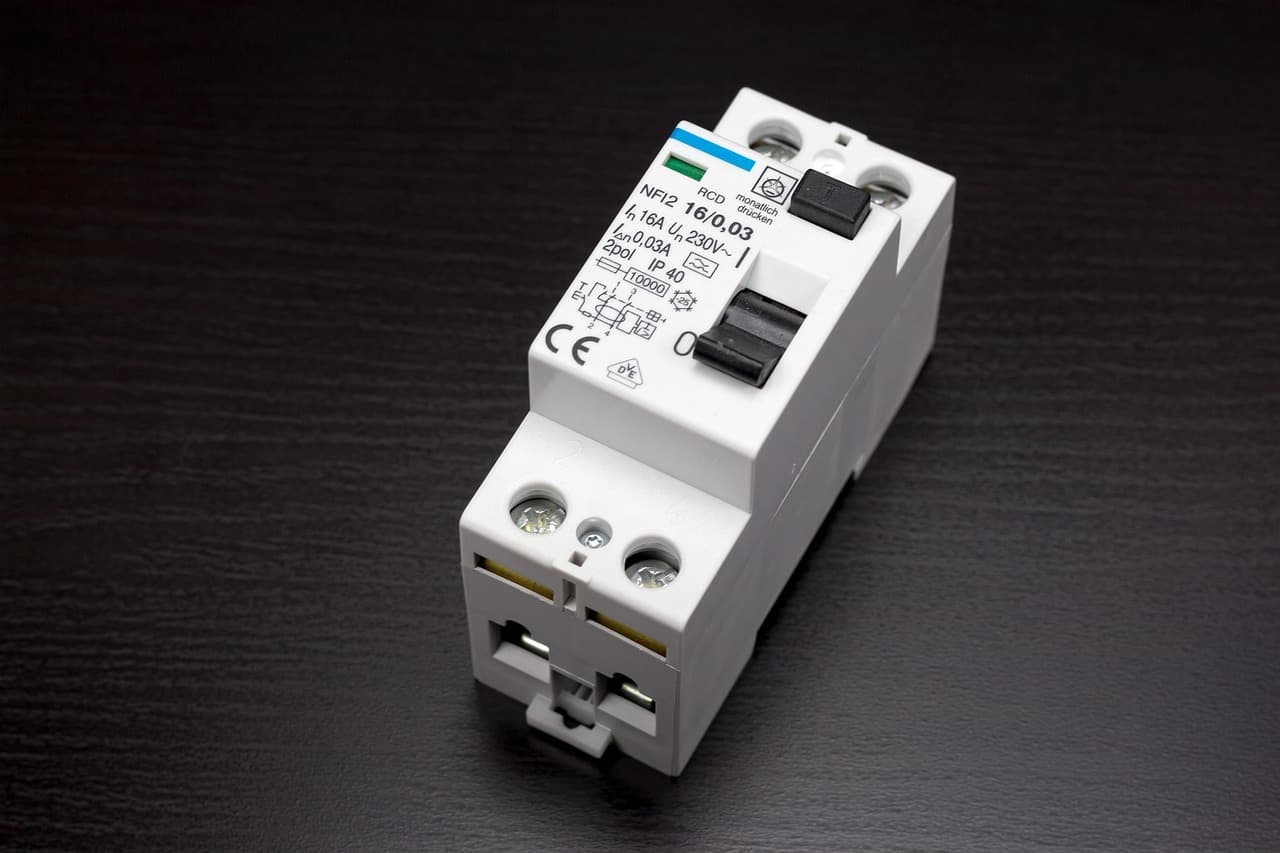
Power Quality Analysis: Mitigating Electrical Disturbances in Modern Buildings
By Total Care Electrical Wed Apr 08 20267 minutes
Introduction to Power Quality Issues in Modern Electrical Systems
In today’s technology-driven environments, both homes and businesses rely on sensitive electronics and advanced automation systems. However, electrical disturbances—such as voltage sags, surges, harmonics, and transients—can compromise safety, disrupt operations, and damage costly equipment. Power quality analysis is an essential practice for detecting, diagnosing, and remedying these often-invisible threats.Common Types of Electrical Disturbances Affecting Homes and Businesses
Electrical disturbances can originate from internal or external sources, impacting everything from lighting to mission-critical servers. Understanding the specific types of power quality issues is the first step in effective mitigation.- Voltage Sags and Swells: Short-term drops or increases in voltage, often caused by large equipment cycling on or off.
- Harmonics: Distorted waveforms generated by non-linear loads such as LED lighting, variable frequency drives, and computers.
- Transients: Sudden, brief spikes in voltage due to lightning strikes or switching events.
- Flicker: Visible fluctuations in lighting intensity, often resulting from load variations or poor wiring connections.
- Imbalance: Unequal voltage or current in three-phase systems, leading to overheating and equipment stress.
How Power Quality Analysis Works: Tools and Techniques
Power quality analysis involves specialized monitoring equipment and advanced diagnostic methodologies. These tools provide real-time data on voltage, current, frequency, and waveform integrity, enabling electrical professionals to pinpoint and address issues before they escalate.| Tool/Technique | Purpose |
| Power Quality Analyzer | Continuous monitoring of voltage, current, and harmonics |
| Oscilloscope | Visual inspection of waveform distortion |
| Event Recorder | Capturing transient events and voltage sags |
| Data Logger | Long-term tracking of electrical parameters |
Benefits of Addressing Power Quality in Residential and Commercial Settings
Unaddressed power quality problems can cause premature equipment failure, increased energy costs, and even fire hazards. Proactive analysis and remediation not only protect assets but also enhance overall system reliability and efficiency.- Reduced downtime and costly repairs for sensitive electronics
- Improved lifespan of appliances, lighting, and industrial equipment
- Lower risk of electrical fires due to overheating components
- Optimized energy consumption and cost savings
- Enhanced compliance with safety codes and industry standards
“A comprehensive power quality strategy is the foundation of electrical reliability in today’s interconnected environments.”
Practical Steps for Homeowners and Facility Managers to Improve Power Quality
Both residential and commercial property managers can take actionable steps to safeguard their electrical infrastructure. Engaging qualified electricians for routine power quality assessments is a critical investment.- Schedule regular power quality audits to detect emerging issues.
- Install surge protection devices and line filters where appropriate.
- Upgrade outdated wiring and distribution panels to handle modern loads.
- Ensure proper grounding and bonding throughout the facility.
- Educate staff or residents on safe electrical practices and load management.
Future Trends: Power Quality in the Age of Renewable Energy and Smart Grids
As solar arrays, electric vehicle chargers, and smart appliances proliferate, power quality management becomes even more complex. Innovations in monitoring, predictive analytics, and adaptive filtering are shaping the future of safe, efficient electrical systems.“Emerging technologies demand a dynamic approach to power quality—what worked yesterday may not suffice for tomorrow’s grids.”