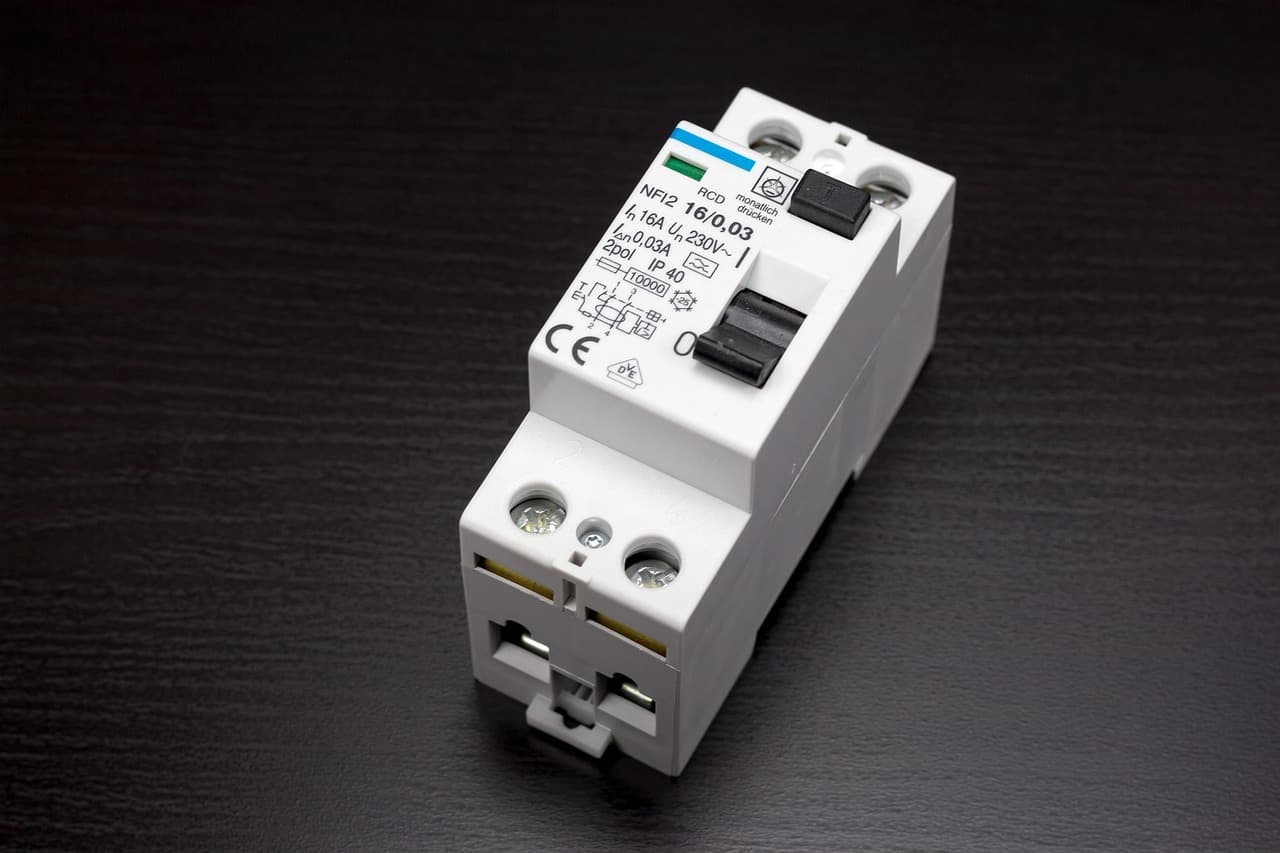
Power Quality Analysis: Minimizing Harmonics and Voltage Disturbances in Modern Electrical Systems
By Total Care Electrical Sun Mar 29 20268 minutes
Understanding Power Quality: The Hidden Challenge in Electrical Systems
Power quality refers to the stability and purity of electrical power delivered to homes and businesses. Poor power quality, often manifested as voltage sags, swells, or harmonics, can silently damage sensitive electronics, disrupt operations, and increase costs. As electrical loads become more sophisticated, the demand for clean, stable power is greater than ever.“Power quality issues are often invisible until they cause costly downtime or equipment failure—proactive analysis is essential for prevention.”
Key Sources of Harmonics and Voltage Disturbances
Harmonics are voltage or current waveforms at multiples of the fundamental frequency, commonly caused by nonlinear loads such as LED lighting, variable frequency drives (VFDs), and office electronics. Voltage disturbances arise from events like lightning strikes, large motor starts, or utility grid fluctuations. Both phenomena degrade system efficiency and pose safety risks.- Switch-mode power supplies in computers and TVs
- Inverter-based renewable energy sources
- Industrial machinery with VFDs
- Large-scale LED lighting installations
- Sudden connection/disconnection of heavy equipment
Consequences of Poor Power Quality in Residential and Commercial Settings
The impact of compromised power quality extends beyond flickering lights. Residential environments may experience premature appliance failure and increased energy bills, while commercial facilities risk production losses, data corruption, and regulatory non-compliance. Addressing these risks requires a systematic approach to monitoring and remediation.| Environment | Potential Consequence |
| Residential | Appliance damage, increased energy use, data loss |
| Commercial | Equipment downtime, process interruptions, safety hazards |
Power Quality Analysis: Tools and Techniques for Detection
Identifying power quality issues demands specialized diagnostic equipment. Advanced analyzers can log voltage, current, and frequency over time, pinpointing transient events and persistent harmonic distortion. Regular analysis helps preempt costly failures and ensures system resilience.- Portable power quality analyzers for spot-checks
- Permanent monitoring systems for critical infrastructure
- Infrared thermography to detect overheating from harmonics
- Oscilloscopes for waveform visualization
“Accurate measurement is the cornerstone of effective power quality management.”
Mitigation Strategies: How to Minimize Harmonics and Voltage Disturbances
Once issues are identified, targeted interventions can restore power integrity. Solutions range from passive filters to sophisticated active harmonic conditioners, each suited to specific load profiles and disturbance types. Collaboration with a qualified electrical engineer is vital for optimal results.- Installing harmonic filters on major loads
- Upgrading to transformerless UPS systems
- Deploying surge protection devices
- Implementing power factor correction equipment
- Balancing loads across phases
Future Trends: Smart Grids and Adaptive Power Quality Solutions
Emerging technologies, such as smart grids and AI-driven monitoring, are revolutionizing power quality management. These innovations enable real-time correction of disturbances and predictive maintenance, further reducing risks and operational costs. As adoption grows, both homeowners and facility managers will benefit from unprecedented system reliability.“Tomorrow’s electrical systems will not just deliver power—they will actively ensure its quality and stability.”