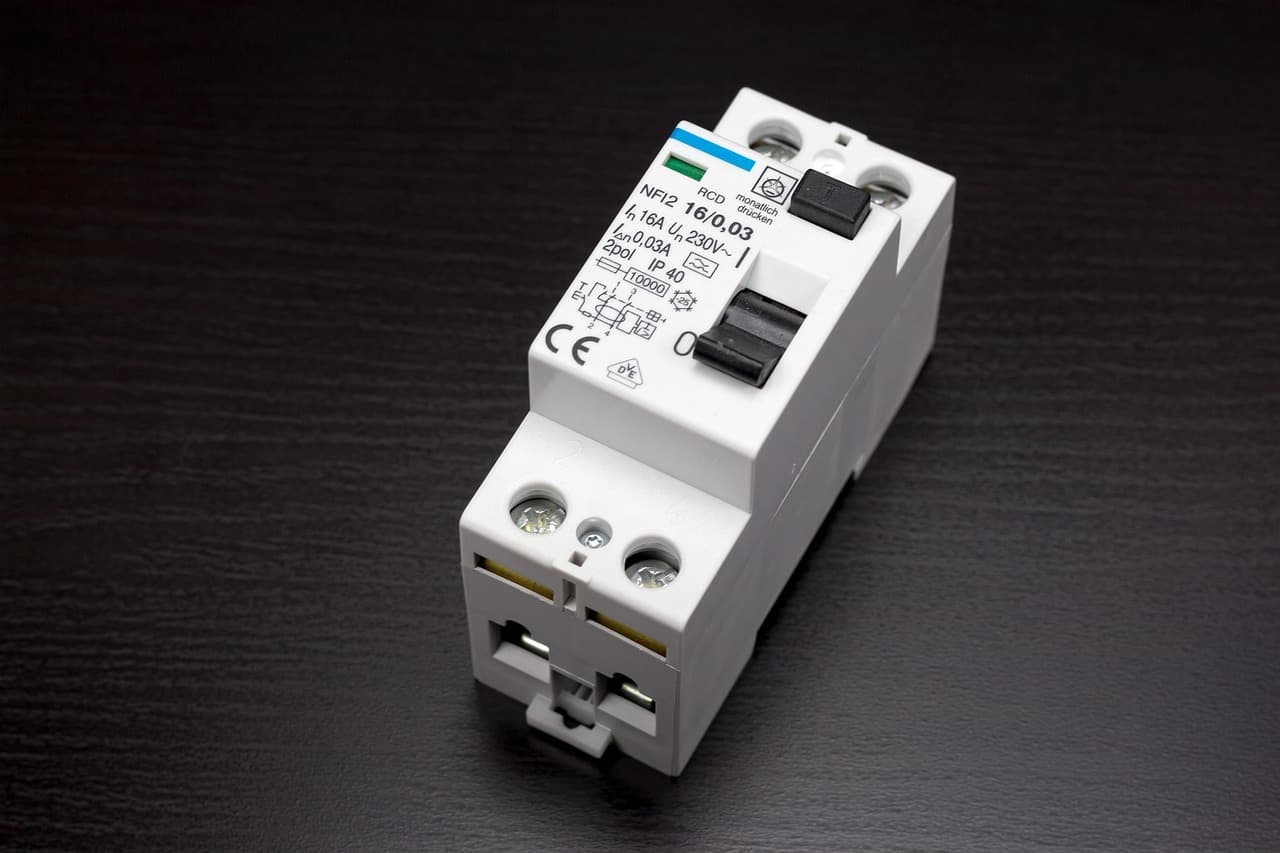
Power Quality Analysis: Ensuring Reliable and Efficient Electrical Systems
By Total Care Electrical Sun Mar 08 20267 minutes
Understanding Power Quality: The Silent Factor in Electrical Performance
Power quality refers to the stability and purity of the voltage and current supplied to electrical systems. Fluctuations, distortions, or interruptions can lead to equipment malfunction, reduced lifespan, and even safety hazards in both residential and commercial settings. As more sensitive electronics and advanced automation systems are integrated, maintaining optimal power quality has become critical for uninterrupted operations and peace of mind.Common Power Quality Disturbances and Their Impact
Electrical disturbances are often invisible but can have costly consequences. Identifying and addressing these issues early is essential to safeguard investments and ensure smooth daily operations.- Voltage sags and swells: Temporary drops or surges that disrupt sensitive equipment.
- Harmonic distortion: Nonlinear loads (like variable frequency drives and LED lighting) introduce unwanted frequencies, overheating wiring and transformers.
- Transients: Sudden, high-energy spikes that can damage electronics and trip protective devices.
- Flicker: Rapid voltage fluctuations causing noticeable light dimming or flickering.
- Imbalance: Uneven voltage distribution across phases, leading to inefficient motor performance and increased wear.
Diagnosing Power Quality Issues: Tools and Techniques
Pinpointing the root cause of power quality problems requires specialized tools and a systematic approach. Professional electricians utilize advanced diagnostic equipment to capture and analyze electrical signals, identifying trends and disturbances that may not be apparent during routine inspections.“Effective power quality analysis is the cornerstone of electrical system reliability and longevity.”
| Tool/Technique | Description | Best Use Case |
| Power Quality Analyzers | Measure voltage, current, harmonics, and transients in real time. | Comprehensive site assessments |
| Oscilloscopes | Visualize waveform anomalies and transient events. | Troubleshooting equipment failures |
| Data Loggers | Record long-term voltage and current trends. | Identifying intermittent issues |
| Infrared Thermography | Detects overheating caused by harmonic distortion or loose connections. | Preventive maintenance |
Mitigation Strategies: How to Improve Power Quality
Once issues are identified, targeted solutions can be implemented to restore and maintain high power quality. These strategies not only prevent equipment damage but also boost energy efficiency and reduce operational costs.- Installing active harmonic filters to neutralize distortion from nonlinear loads.
- Upgrading to voltage regulators or uninterruptible power supplies (UPS) for stable voltage.
- Implementing phase balancing to ensure even load distribution in three-phase systems.
- Employing surge protection devices to shield sensitive electronics from transients.
- Regular maintenance and load audits to proactively address emerging issues.
The Future of Power Quality: Smart Monitoring and Predictive Analytics
The advent of smart grid technologies and IoT-enabled devices is revolutionizing power quality management. Continuous, real-time monitoring paired with predictive analytics allows for early detection of anomalies, reducing downtime and extending equipment life. For property owners and facility managers, these advancements represent a proactive approach to electrical safety and efficiency.“The shift toward predictive power quality monitoring empowers businesses and homeowners to anticipate issues before they escalate.”