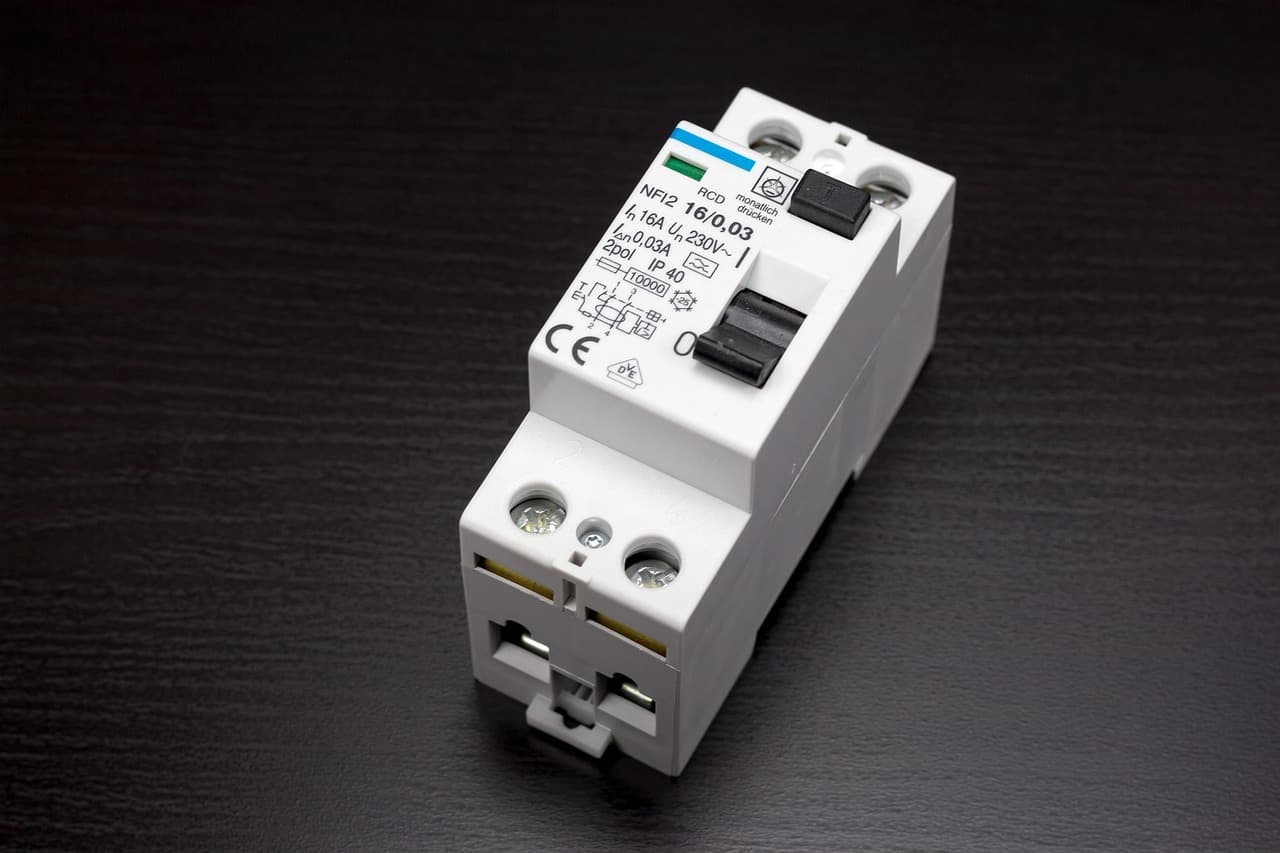
Power Quality Analysis: Diagnosing and Preventing Electrical Disturbances in Modern Buildings
By Total Care Electrical Wed Mar 11 20267 minutes
Understanding Power Quality: The Hidden Challenge
Many building owners and facility managers overlook power quality, yet it’s a silent factor behind equipment malfunctions, system inefficiencies, and unexpected downtime. Power quality analysis is the process of monitoring and diagnosing disturbances—such as harmonics, voltage sags, and transients—that disrupt the normal operation of electrical systems in both homes and commercial facilities.Common Power Quality Issues in Residential and Commercial Environments
- Harmonics: Nonlinear loads from LED lighting, computers, and variable frequency drives introduce waveform distortions.
- Voltage Sags and Swells: Sudden drops or increases in voltage caused by motor startups, grid switching, or heavy equipment.
- Transients: Short, high-frequency bursts often resulting from lightning strikes or switching operations.
- Flicker: Noticeable fluctuations in lighting due to unstable voltage.
- Unbalanced Loads: Uneven distribution across phases, typical in older panel configurations.
Impacts of Poor Power Quality: Real-World Consequences
Subpar power quality can shorten the lifespan of sensitive electronics, trigger nuisance tripping of breakers, and inflate energy costs. For businesses, the stakes are even higher: data loss, production halts, and equipment failures can result in substantial financial setbacks. Homeowners may notice unexplained device resets, dimming lights, or premature appliance wear.“When power quality issues go undetected, even the most advanced electrical infrastructure can become vulnerable to costly disruptions.”
Diagnosing Power Quality: Tools and Techniques
Comprehensive power quality analysis employs advanced monitoring equipment and software to capture and interpret electrical signals. This enables professionals to pinpoint the source and type of disturbance, paving the way for targeted solutions.- Portable Power Analyzers: Track voltage, current, harmonics, and transients in real time.
- Permanent Monitoring Systems: Provide continuous data for critical circuits or entire facilities.
- Oscilloscopes: Visualize waveform distortions and transient events for detailed investigation.
- Data Logging Software: Generates reports for trend analysis and predictive maintenance.
Preventing and Mitigating Power Quality Problems
Once issues are identified, electrical specialists implement corrective measures tailored to the specific disturbance. Prevention strategies not only resolve existing issues but also future-proof systems against evolving electrical demands.- Installing Harmonic Filters: Neutralize waveform distortions from nonlinear loads.
- Voltage Regulators: Stabilize supply to sensitive equipment.
- Surge Protection Devices: Shield against transient overvoltages.
- Load Balancing: Redistribute electrical loads across phases to minimize imbalance.
- Regular Power Quality Audits: Proactively identify and address emerging risks.
Power Quality Solutions: Residential vs. Commercial Needs
While both residential and commercial properties face power quality challenges, their solutions often differ due to scale, load diversity, and criticality of operations. The table below highlights these distinctions.| Aspect | Residential | Commercial |
| Typical Issues | Flicker, device resets, minor surges | Harmonics, voltage sags, transients, unbalanced loads |
| Solution Focus | Surge protection, voltage regulation | Harmonic filtering, monitoring, load balancing |
| Risk Level | Appliance wear, inconvenience | Downtime, data loss, equipment failure |
Expert Perspectives: The Future of Power Quality Management
With the proliferation of sensitive electronics and renewable energy integration, maintaining optimal power quality is more complex than ever. Forward-thinking property owners are investing in smart monitoring systems and predictive analytics to stay ahead of disturbances.“Proactive power quality management transforms electrical systems from a potential liability into a strategic asset.”