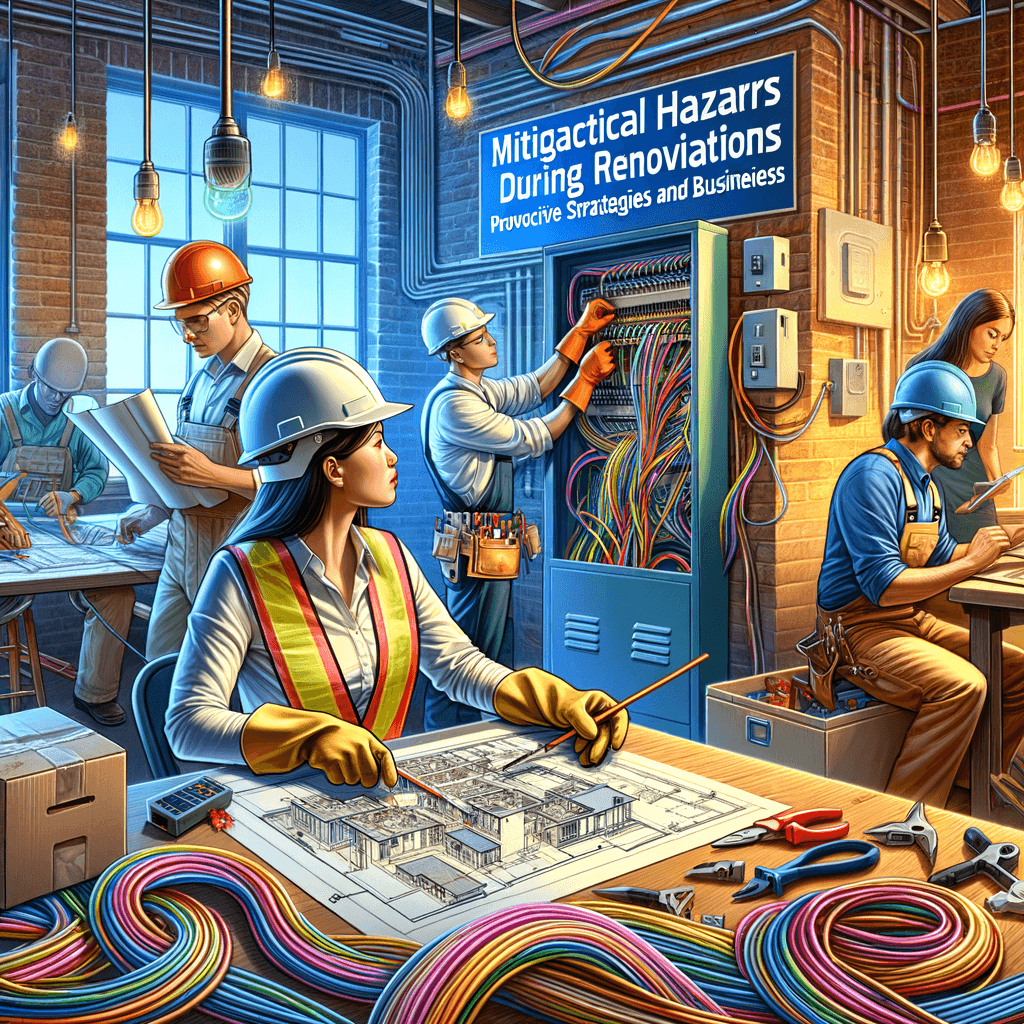
Mitigating Electrical Hazards During Renovations: Proactive Strategies for Homeowners and Businesses
By Total Care Electrical Wed Feb 18 20267 minutes
Understanding the Risks: Why Electrical Hazards Surge During Renovations
Renovation projects, whether in homes or commercial spaces, often expose hidden electrical dangers that can compromise safety and delay timelines. Disturbed wiring, outdated circuits, and overloaded panels are just a few of the risks that increase during remodeling. Identifying these vulnerabilities early is crucial for protecting occupants, workers, and investments.Critical Electrical Hazards to Watch For When Renovating
- Unlabeled or obsolete wiring that could be live
- Improperly grounded outlets exposed by demolition
- Overloaded temporary circuits used for power tools
- Hidden junction boxes or spliced wires within walls
- Water intrusion near electrical lines due to construction
Best Practices for Pre-Renovation Electrical Assessments
A comprehensive electrical assessment before any demolition or construction work begins is non-negotiable. Licensed electricians utilize advanced diagnostic tools to uncover latent faults and ensure all systems comply with current codes. This step prevents costly surprises and lays the groundwork for a safe renovation process.“The most successful renovations start with a thorough electrical audit—proactive discovery is always safer and less expensive than reactive repairs.”
Step-by-Step Guide: Safeguarding Your Electrical System During Renovations
Implementing structured safety protocols protects both property and people during the upheaval of renovation. These steps minimize risk and ensure that the finished space is both functional and compliant.- De-energize circuits in affected zones before demolition begins
- Install temporary power with ground-fault protection for tools and lighting
- Clearly label all circuits and panels to prevent accidental energization
- Seal exposed wiring and junction boxes against dust and moisture
- Schedule interim inspections after major electrical work phases
Comparing Pre- and Post-Renovation Electrical Safety Standards
Electrical codes and safety standards evolve rapidly. Renovations provide a unique opportunity to upgrade legacy systems and ensure compliance with the latest regulations. The following table highlights key differences between outdated and current safety practices.| Aspect | Legacy Standard | Modern Standard |
| Wiring Materials | Cloth-insulated or aluminum | Thermoplastic copper |
| Outlet Safety | Basic receptacles | AFCI/GFCI protection |
| Panel Capacity | Limited circuits | Expanded with surge protection |
| Grounding | Minimal or absent | Comprehensive bonding and grounding |
Future-Proofing Your Electrical System: Innovations to Consider During Renovation
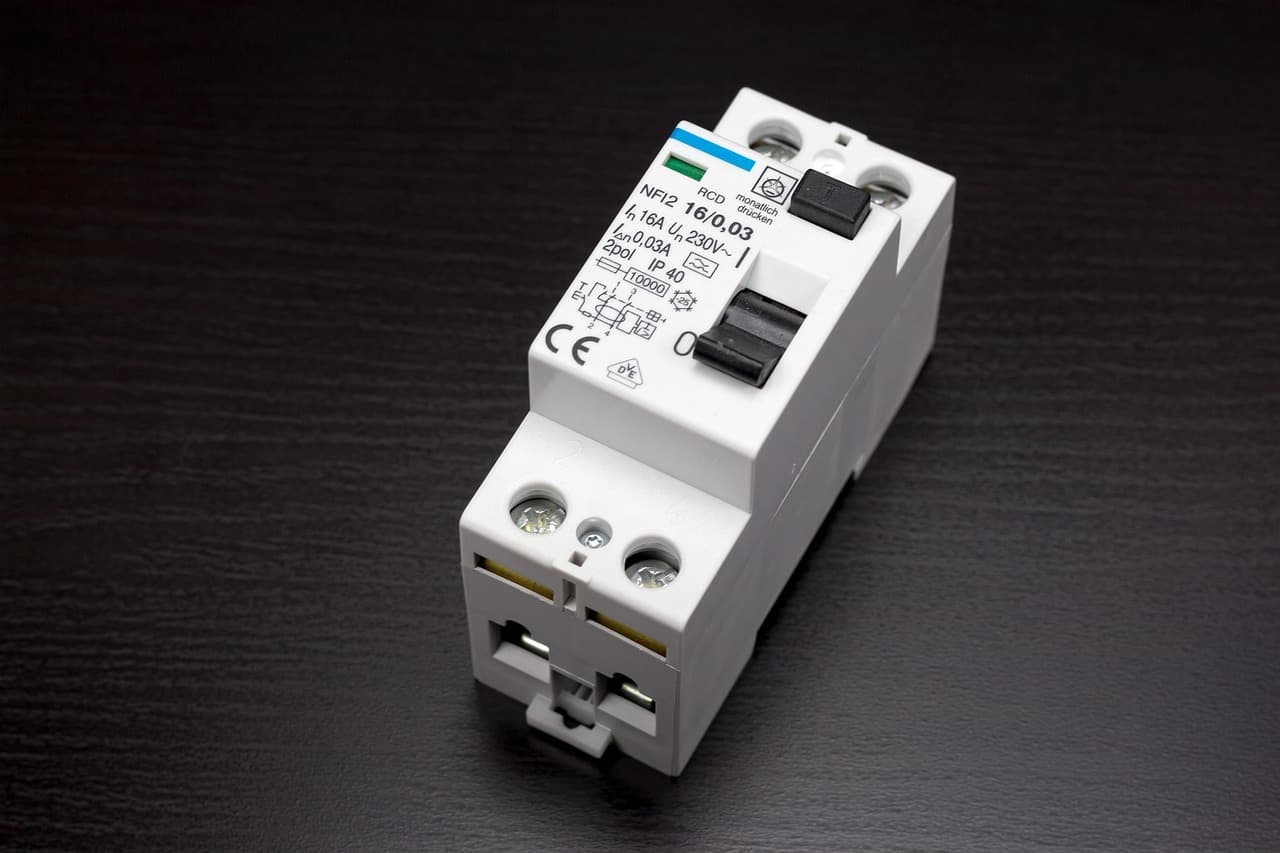
Forward-thinking property owners use renovations as an opportunity to integrate advanced technologies that enhance safety, efficiency, and adaptability. Upgrading to smart panels, energy-efficient lighting, and renewable-ready wiring can increase property value and reduce future upgrade costs.- Smart circuit breakers with remote monitoring
- Dedicated circuits for EV charging and solar integration
- Energy-efficient LED and adaptive lighting controls
- Power monitoring systems for real-time usage analytics
“Investing in modern electrical infrastructure during renovation isn't just about compliance—it's about ensuring your property is ready for tomorrow's technology.”