Integrating Solar Power and EV Charging Stations: Next-Gen Electrical Solutions for Homes and Businesses
By Total Care Electrical Thu Jan 15 20267 minutes
The Rise of Solar Power and Electric Vehicles: Why Integration Matters
As more homeowners and businesses transition to sustainable energy solutions, integrating solar power with electric vehicle (EV) charging stations has become a pivotal innovation. This approach not only addresses rising energy costs but also aligns with environmental aspirations and regulatory shifts favoring green infrastructure.“Integrating solar and EV charging isn't just about convenience—it's about building resilient, future-ready electrical systems that adapt to evolving energy demands.”
How Solar-Integrated EV Charging Works: An Overview
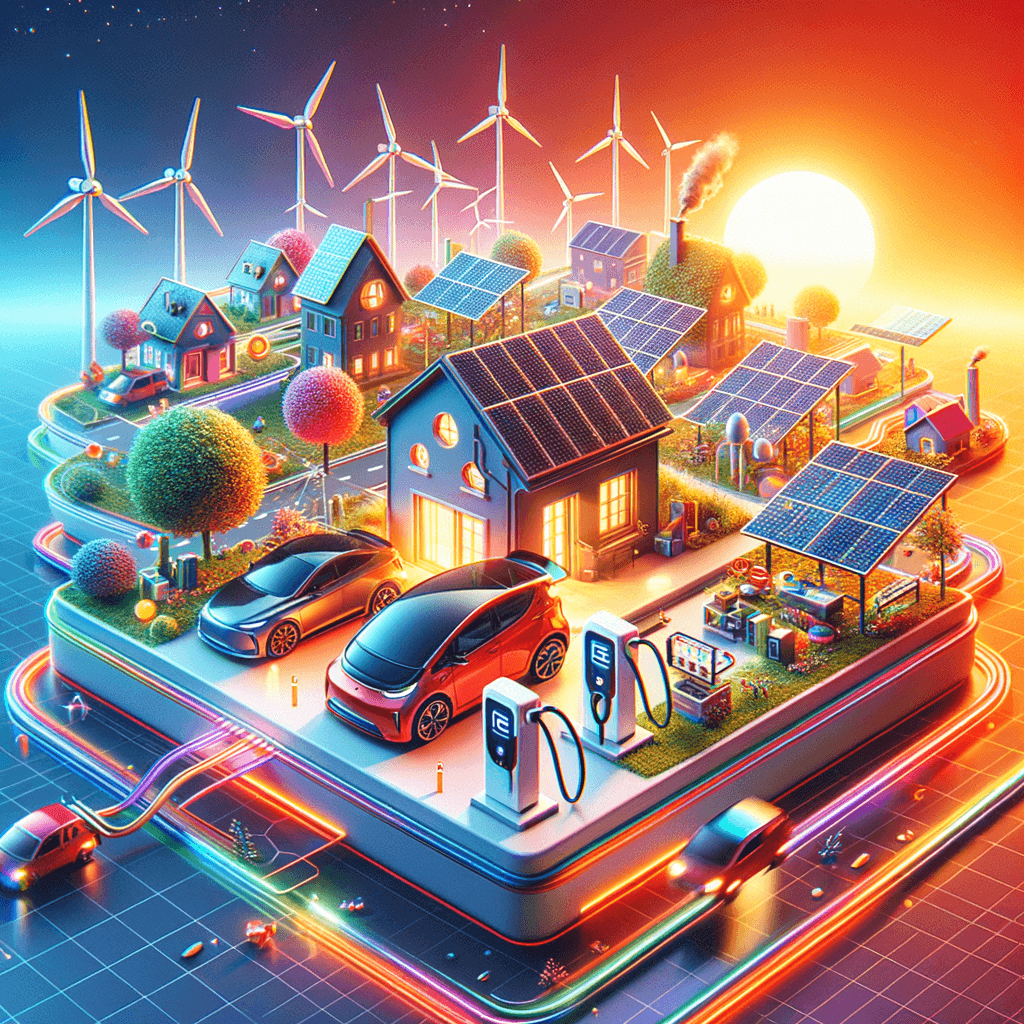
Solar-integrated EV charging stations use photovoltaic (PV) panels to generate electricity, which is then directed either to the building’s electrical grid or directly to EV chargers. This reduces reliance on the utility grid and maximizes the use of renewable energy on-site.| Component | Function |
| Photovoltaic Panels | Capture sunlight and convert to DC electricity |
| Inverter | Converts DC to AC for building use |
| EV Charging Station | Supplies electricity to electric vehicles |
| Energy Management System | Optimizes energy distribution and storage |
Key Benefits of Solar-Integrated EV Charging for Residential and Commercial Spaces
- Significant reduction in long-term electricity costs
- Lower carbon footprint and enhanced sustainability credentials
- Potential for energy independence and grid resilience
- Eligibility for government incentives and tax credits
- Increased property value and marketability
Design and Installation Considerations: What to Know Before You Start
Successful integration requires careful planning and collaboration with certified electricians who understand both solar and EV infrastructure. Factors such as load calculations, inverter compatibility, and future scalability are critical to a safe and efficient system.“Every solar-EV integration project should begin with a comprehensive energy audit and site assessment to ensure safety and maximize ROI.”
Common Challenges and Proactive Solutions
Despite the benefits, property owners may face hurdles such as limited roof space, fluctuating energy demands, or complex permitting processes. Addressing these proactively ensures smoother project execution and optimal system performance.- Utilize high-efficiency PV panels to maximize limited space
- Incorporate smart load management to balance energy distribution
- Work with experienced installers familiar with local codes and incentives
- Plan for battery storage to enhance energy availability during peak usage
Future Trends: The Evolution of Solar and EV Charging Integration
Emerging technologies are set to further streamline solar-EV synergy. From bidirectional charging (vehicle-to-grid) to advanced AI-driven energy management, the future promises even greater efficiency and autonomy for both residential and commercial properties.“The convergence of solar and EV technologies is redefining what’s possible in sustainable energy infrastructure.”