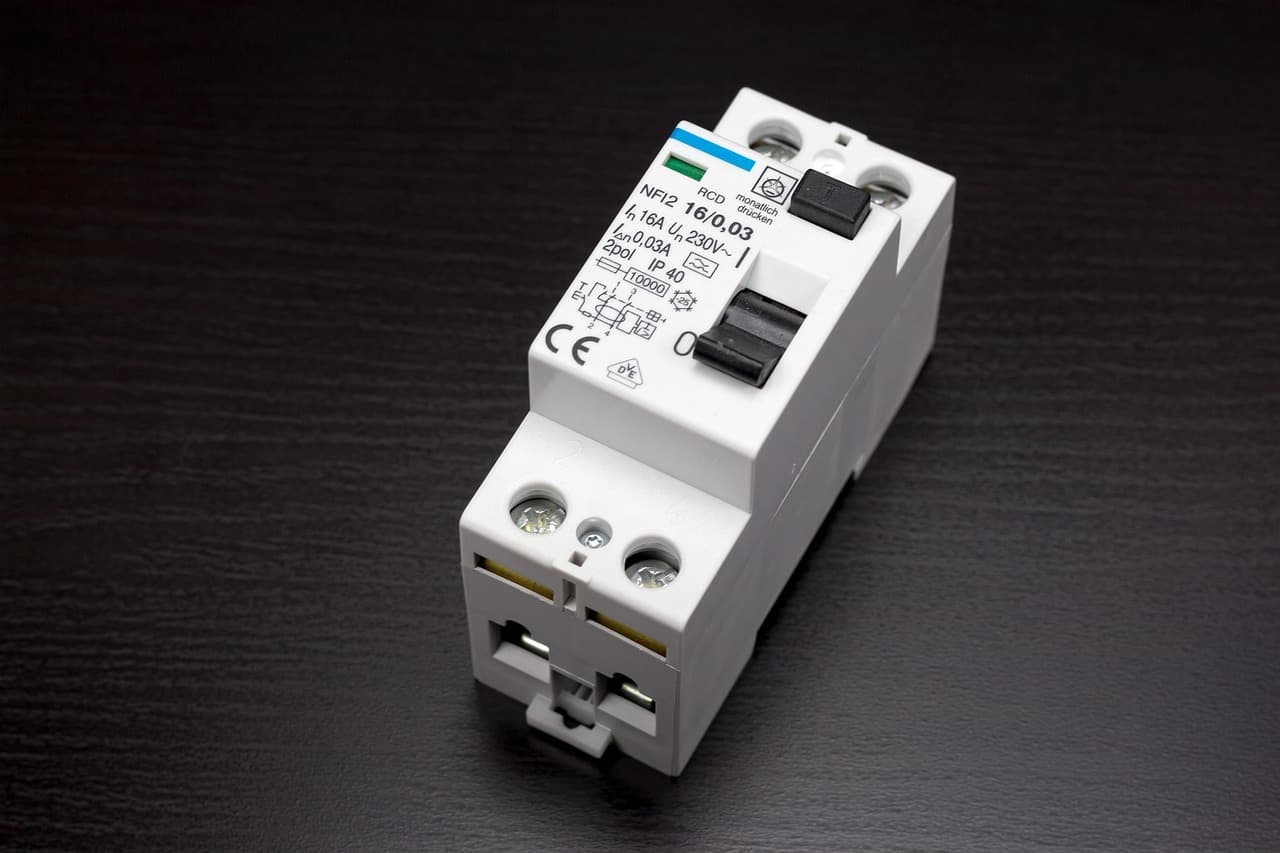
Harmonic Distortion in Electrical Systems: Impacts and Mitigation Strategies
By Total Care Electrical Fri Feb 06 20267 minutes
Introduction to Harmonic Distortion in Electrical Systems
Harmonic distortion is a growing concern in modern electrical systems, affecting both residential and commercial environments. As more sophisticated electronic devices and nonlinear loads are integrated into daily operations, the integrity of electrical power quality faces new challenges. Understanding the root causes and impacts of harmonic distortion is essential for anyone responsible for maintaining safe, efficient, and reliable electrical infrastructure.What Causes Harmonic Distortion?
Harmonic distortion arises when non-linear electrical loads, such as variable frequency drives, LED lighting, and office equipment, draw current in abrupt pulses rather than smooth waves. This disrupts the standard sinusoidal waveform of voltage and current, introducing higher-order frequencies into the power system.- Variable frequency drives (VFDs)
- Switch-mode power supplies
- Uninterruptible power supplies (UPS)
- LED and compact fluorescent lighting
- Elevator and HVAC control systems
“Harmonics are the silent disruptors of power quality, often overlooked until they cause costly downtime or equipment failure.”
Recognizing the Risks: Effects of Harmonics on Electrical Systems
Unchecked harmonic distortion can lead to a host of operational and safety hazards. Overheating of transformers, nuisance tripping of circuit breakers, and premature aging of sensitive equipment are just a few of the potential consequences. In commercial settings, harmonics can also inflate utility bills by reducing overall power factor efficiency.| Effect | Residential Impact | Commercial Impact |
| Transformer overheating | Reduced appliance lifespan | Increased cooling requirements |
| Tripped breakers | Frequent power interruptions | Unscheduled downtime |
| Equipment malfunction | Flickering lights, device errors | Data loss, process disruption |
Mitigation Strategies: How to Control Harmonic Distortion
Proactive management of harmonic distortion is vital for maintaining optimal system performance. Electrical professionals employ a combination of technical solutions and best practices to reduce the adverse effects of harmonics in both homes and businesses.- Installing passive or active harmonic filters
- Upgrading to K-rated transformers
- Implementing power factor correction units
- Specifying equipment with low total harmonic distortion (THD)
- Conducting regular power quality audits
“A comprehensive harmonic mitigation plan not only safeguards equipment but also ensures compliance with evolving power quality standards.”
Expert Insights: Future Trends in Harmonic Management
With the proliferation of smart devices and renewable energy sources, the landscape of harmonic distortion is rapidly evolving. Forward-thinking electrical engineers are leveraging advanced monitoring technologies and adaptive filtering systems to anticipate and address harmonic issues before they escalate.“Continuous monitoring and adaptive solutions are the future of harmonic management in dynamic electrical environments.”