GFCI and AFCI Protection: Elevating Electrical Safety in Modern Buildings
By Total Care Electrical Wed Nov 19 20257 minutes

Understanding GFCI and AFCI: The Modern Safety Standard
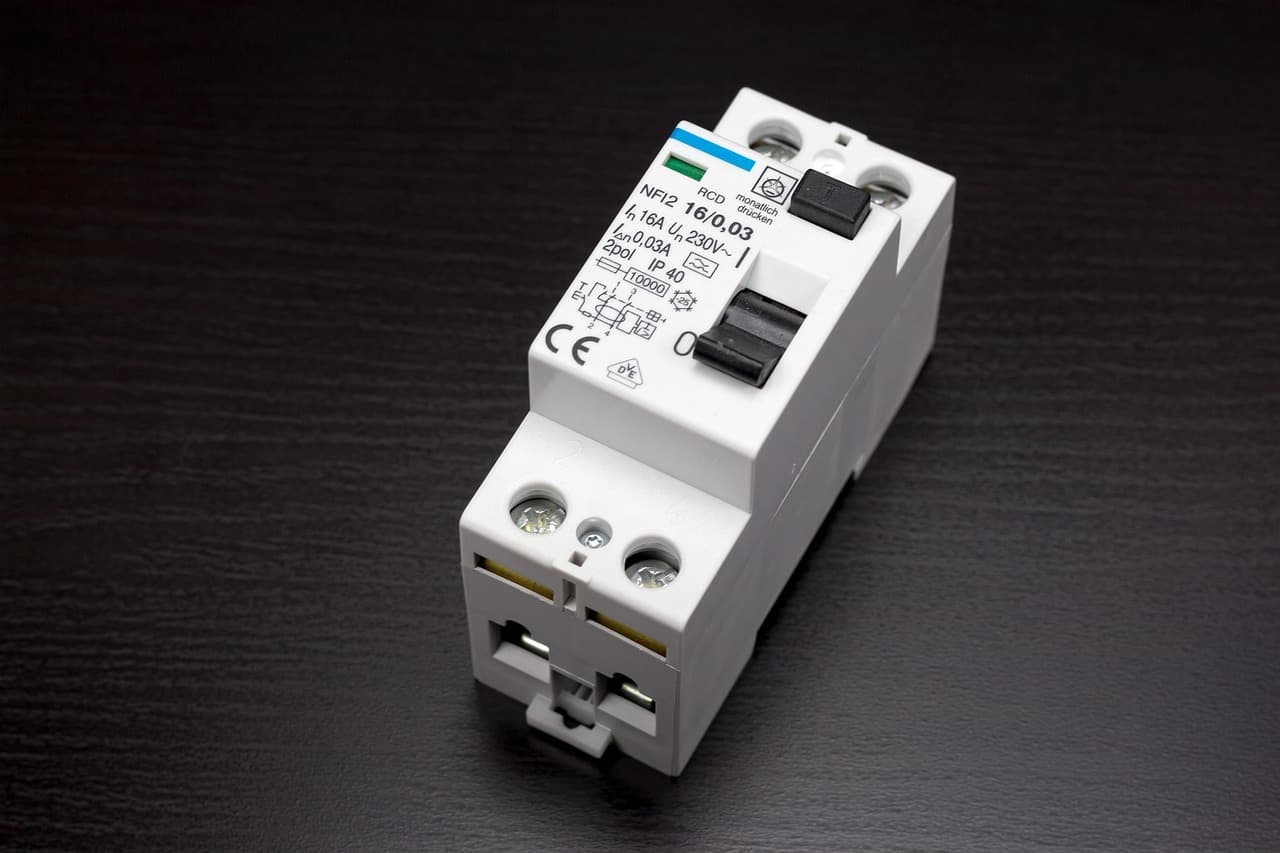
Ground Fault Circuit Interrupters (GFCIs) and Arc Fault Circuit Interrupters (AFCIs) represent a paradigm shift in electrical safety for both homes and businesses. While GFCIs are engineered to prevent electrical shock by quickly disconnecting power in the event of a ground fault, AFCIs are designed to detect dangerous arc faults—often invisible precursors to electrical fires—and interrupt the circuit before damage occurs. These devices are now mandated in key areas by the National Electrical Code (NEC), reflecting their critical role in contemporary electrical protection.Key Differences Between GFCI and AFCI Devices
- GFCI: Monitors current imbalances between hot and neutral conductors to prevent shock hazards.
- AFCI: Detects electrical arcs caused by damaged wires, loose connections, or faulty appliances, reducing fire risks.
- GFCI is typically required in wet or damp locations (bathrooms, kitchens, outdoor outlets).
- AFCI is mandated in living spaces (bedrooms, family rooms, offices) to mitigate arc-induced fires.
- Combination devices offer both GFCI and AFCI protection for comprehensive safety.
Common Electrical Hazards Mitigated by GFCIs and AFCIs
Electrical incidents can be catastrophic, ranging from severe shocks to devastating fires. GFCI and AFCI devices directly address the most prevalent hazards found in residential and commercial settings, including ground faults from moisture exposure and arc faults from aging infrastructure. Proactive adoption of these protective measures significantly reduces the risk profile of any property.“The most effective safety device is the one that prevents a hazard before it becomes a disaster.”
Installation Best Practices and Compliance Insights
Proper installation of GFCI and AFCI devices demands a nuanced understanding of both local codes and the unique requirements of each environment. Licensed electricians must verify compatibility with existing wiring, ensure devices are correctly labeled, and conduct comprehensive testing post-installation. Non-compliance can result in insurance complications, legal liability, and, most importantly, compromised safety.| Area | Required Device | Purpose |
| Bathrooms | GFCI | Shock protection |
| Kitchens | GFCI | Moisture hazard mitigation |
| Bedrooms | AFCI | Fire prevention |
| Commercial Offices | AFCI & GFCI | Comprehensive protection |
Pain Points: Why Upgrading Matters for Property Owners
Many property owners underestimate the evolving nature of electrical hazards, often relying on outdated protection methods. This oversight exposes occupants to preventable risks and can result in code violations, increased liability, and costly damage. Upgrading to GFCI and AFCI protection not only meets legal requirements but also delivers peace of mind and enhances property value.Future Innovations: Smart Interrupters and Remote Diagnostics
Emerging technologies are transforming GFCI and AFCI devices into intelligent safety hubs. Smart interrupters now offer remote monitoring, self-testing capabilities, and integration with building management systems. These advancements enable real-time diagnostics, predictive maintenance, and instant notifications of faults—ushering in a new era of proactive electrical safety.- Remote reset and status alerts via mobile devices
- Self-diagnostic features to detect device degradation
- Integration with energy management platforms
- Predictive analytics to identify at-risk circuits before failure