Electrical Safety in Outdoor Environments: Best Practices for Residential and Commercial Spaces
By Total Care Electrical Tue Jan 27 20267 minutes
The Unique Risks of Outdoor Electrical Installations
Outdoor electrical systems face distinct challenges compared to indoor setups. Exposure to moisture, temperature fluctuations, and physical damage increases the risk of short circuits, corrosion, and electrical fires. Homeowners and facility managers must recognize these hazards to protect occupants and assets.“Outdoor electrical systems demand a higher standard of vigilance due to the unpredictable elements they face daily.”
Weatherproofing: The First Line of Defense
Effective weatherproofing safeguards electrical components from rain, snow, and humidity. Using properly rated enclosures and fittings is essential for both residential patios and commercial outdoor venues.- Install weather-resistant (WR) outlets and covers for all exterior receptacles
- Utilize in-use (bubble) covers to protect outlets when devices are plugged in
- Seal all conduit and junction box entries with approved gaskets or sealants
- Select corrosion-resistant materials, such as stainless steel or UV-stabilized plastics
GFCI and AFCI Protection: Code-Driven Safety
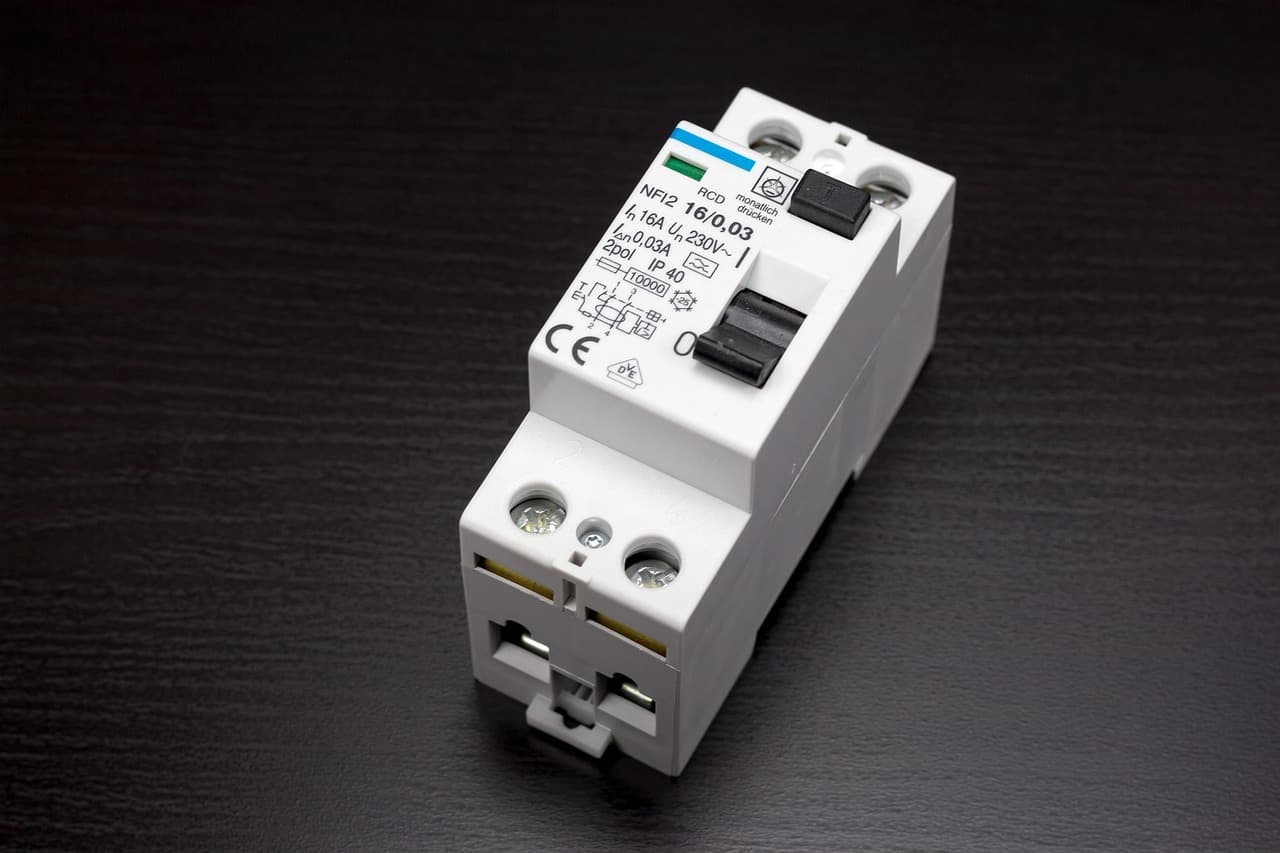
Ground Fault Circuit Interrupters (GFCIs) and Arc Fault Circuit Interrupters (AFCIs) are now mandatory in most exterior installations. These devices instantly disconnect power when detecting dangerous faults, dramatically reducing the risk of shock or fire.| Device | Purpose | Typical Location |
| GFCI | Prevents electric shock from ground faults | Exterior outlets, pool equipment |
| AFCI | Detects arc faults to prevent fires | Outdoor lighting circuits |
Selecting Outdoor-Rated Wiring and Fixtures
Not all wiring and fixtures are suitable for outdoor use. Using indoor-rated products outside can lead to premature failure or hazardous conditions. Always check for ratings such as 'UF' (Underground Feeder) for cables and 'wet location' listings for fixtures.“Specifying the right materials is the cornerstone of a safe and durable outdoor electrical installation.”
Routine Inspection and Maintenance Protocols
Regular inspection is crucial for identifying wear, damage, or moisture ingress before it leads to system failure. Both residential and commercial properties benefit from scheduled checks, especially after severe weather events.- Visually inspect all outlets, covers, and lighting fixtures for cracks or corrosion
- Test GFCI outlets monthly using the built-in test button
- Check conduit runs for physical damage or signs of animal interference
- Verify that landscaping and irrigation systems do not compromise electrical equipment
Innovations in Outdoor Electrical Safety
Recent advancements have improved both performance and safety in exterior electrical systems. Smart weather sensors, tamper-resistant outlets, and wireless remote controls are now common in both home and commercial applications.“Embracing new technologies not only enhances convenience but also elevates safety standards in outdoor environments.”