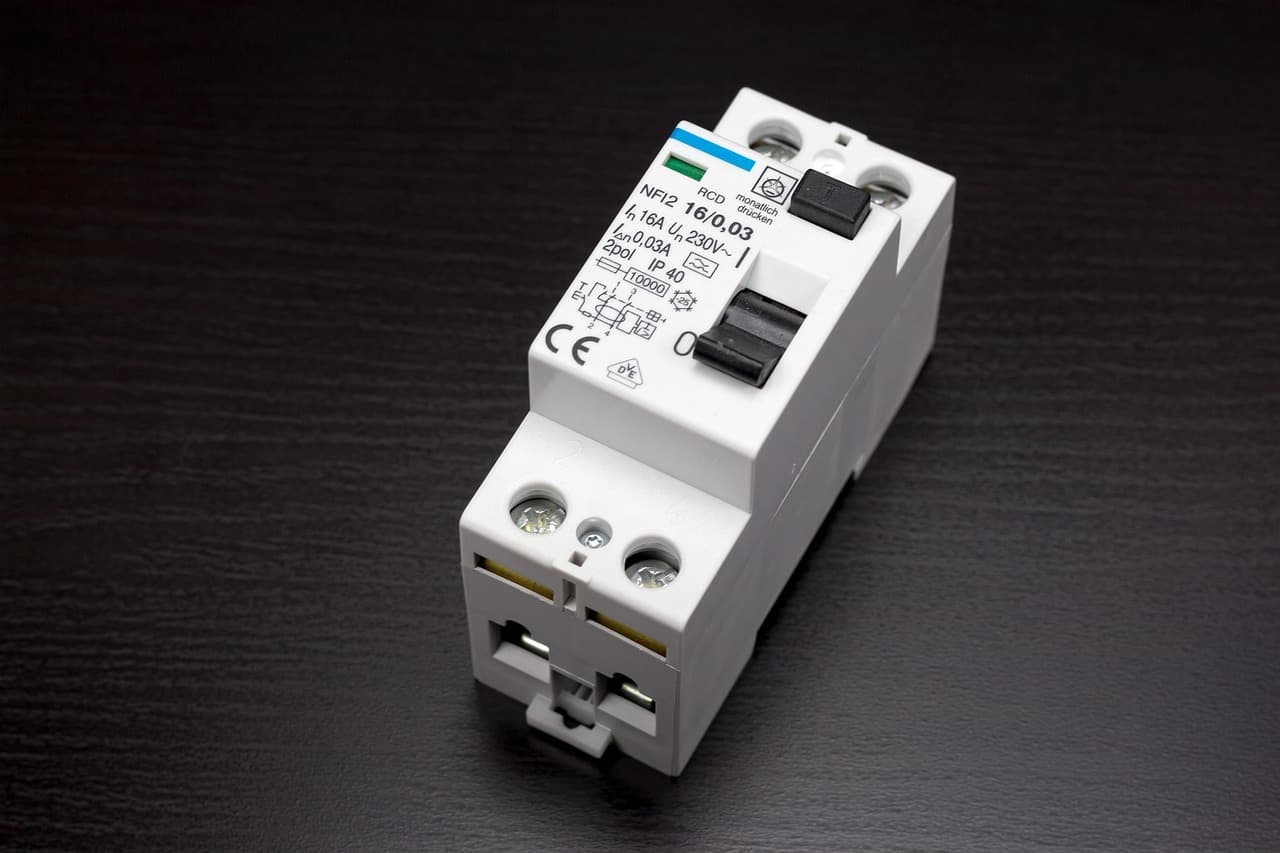
Commercial and Residential Electrical Panel Upgrades: Maximizing Safety, Capacity, and Efficiency
By Total Care Electrical Fri Jan 09 20268 minutes
Understanding the Role of Electrical Panels
Electrical panels, also known as breaker boxes or distribution boards, serve as the command center for power distribution in homes and commercial properties. An outdated or overloaded panel not only limits capacity but also poses significant fire and safety risks.Signs Your Electrical Panel Needs an Upgrade
Recognizing when your panel is due for replacement can prevent hazardous incidents and costly downtime. Both homeowners and facility managers should be vigilant for these red flags.- Frequent breaker trips or blown fuses
- Visible corrosion or scorching on panel components
- Insufficient circuits for new appliances or machinery
- Reliance on outdated fuse-based systems
- Dimming or flickering lights during equipment startup
Residential vs. Commercial Panel Requirements
The demands on electrical panels differ greatly between homes and commercial spaces. Residential panels typically range from 100 to 200 amps, while commercial facilities may require three-phase power and specialized switchgear to handle high-current loads.| Panel Type | Typical Amperage | Key Features |
| Residential | 100-200A | Single-phase, supports home appliances |
| Small Business | 200-400A | Can include three-phase, supports HVAC and office equipment |
| Industrial/Commercial | 400A+ | Three-phase, supports heavy machinery, advanced safety features |
Benefits of Upgrading Your Electrical Panel
Investing in a modern panel delivers more than just peace of mind. It’s a strategic move for safety, efficiency, and future-readiness.- Mitigates fire hazards by eliminating overloaded circuits
- Supports installation of EV chargers, solar panels, and smart home tech
- Improves energy efficiency and reduces utility costs
- Ensures compliance with the latest electrical codes
- Increases property value and insurance eligibility
“A well-executed panel upgrade is the cornerstone of a resilient and adaptable electrical infrastructure.”
Key Considerations for a Successful Upgrade
Panel upgrades are complex projects that require careful planning, code knowledge, and skilled execution. Prioritize these factors for optimal results.- Accurate load calculation based on current and anticipated needs
- Selection of high-quality, code-compliant materials
- Integration with surge protection and arc fault devices
- Proper labeling and documentation of all circuits
- Coordination with local utilities and permitting authorities
Expert Insights: Common Mistakes to Avoid
Even experienced property owners can fall into traps when upgrading panels. Avoid these pitfalls to ensure a smooth, safe transition.- Underestimating future power demands
- Neglecting to upgrade grounding and bonding systems
- Hiring unlicensed or uninsured contractors
- Overlooking the need for temporary power during installation
“Electrical panel upgrades should never be a DIY project—always engage a certified electrician to guarantee safety and compliance.”
Planning for the Future: Innovations in Panel Technology
Modern electrical panels now offer advanced features like integrated energy monitoring, smart load management, and remote diagnostics. These innovations are transforming the way homes and businesses manage power.- Smart panels with real-time consumption analytics
- Remote breaker control via mobile apps
- Integration with renewable energy systems for seamless power switching